
Why is retail experience alone less reliable than before?
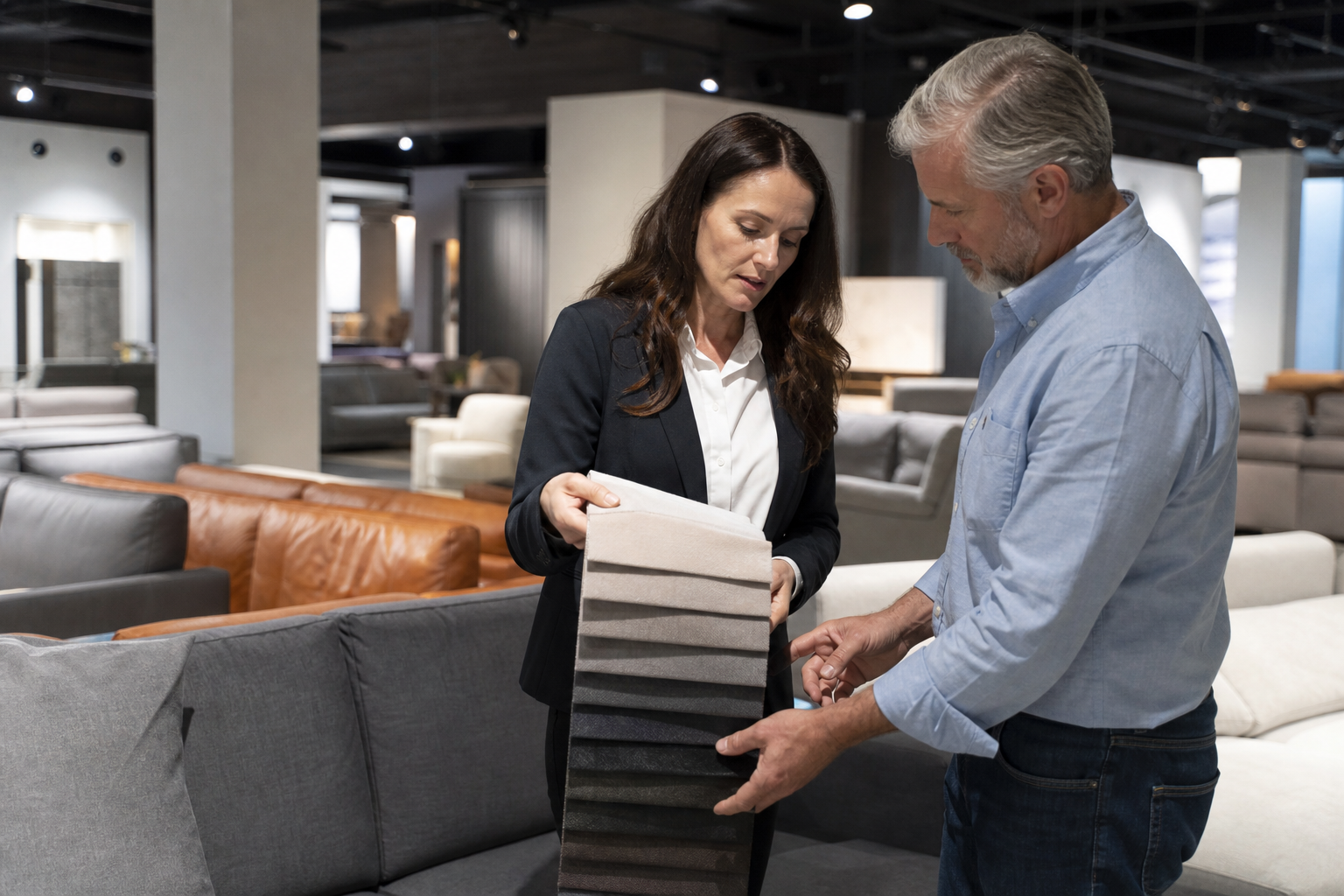
I still believe experience matters.
After three decades in furniture retailing, you learn patterns you spot at a glance: what materials people ask about, which silhouettes attract repeat visits, how a price band sells in a particular neighborhood. But that intuition is not the same tool it used to be. If you rely only on past wins, you are more likely to misallocate showroom space and cash today than you were five years ago.
Here’s what has changed — and practical steps you can take to keep experience useful without letting it lead you astray.
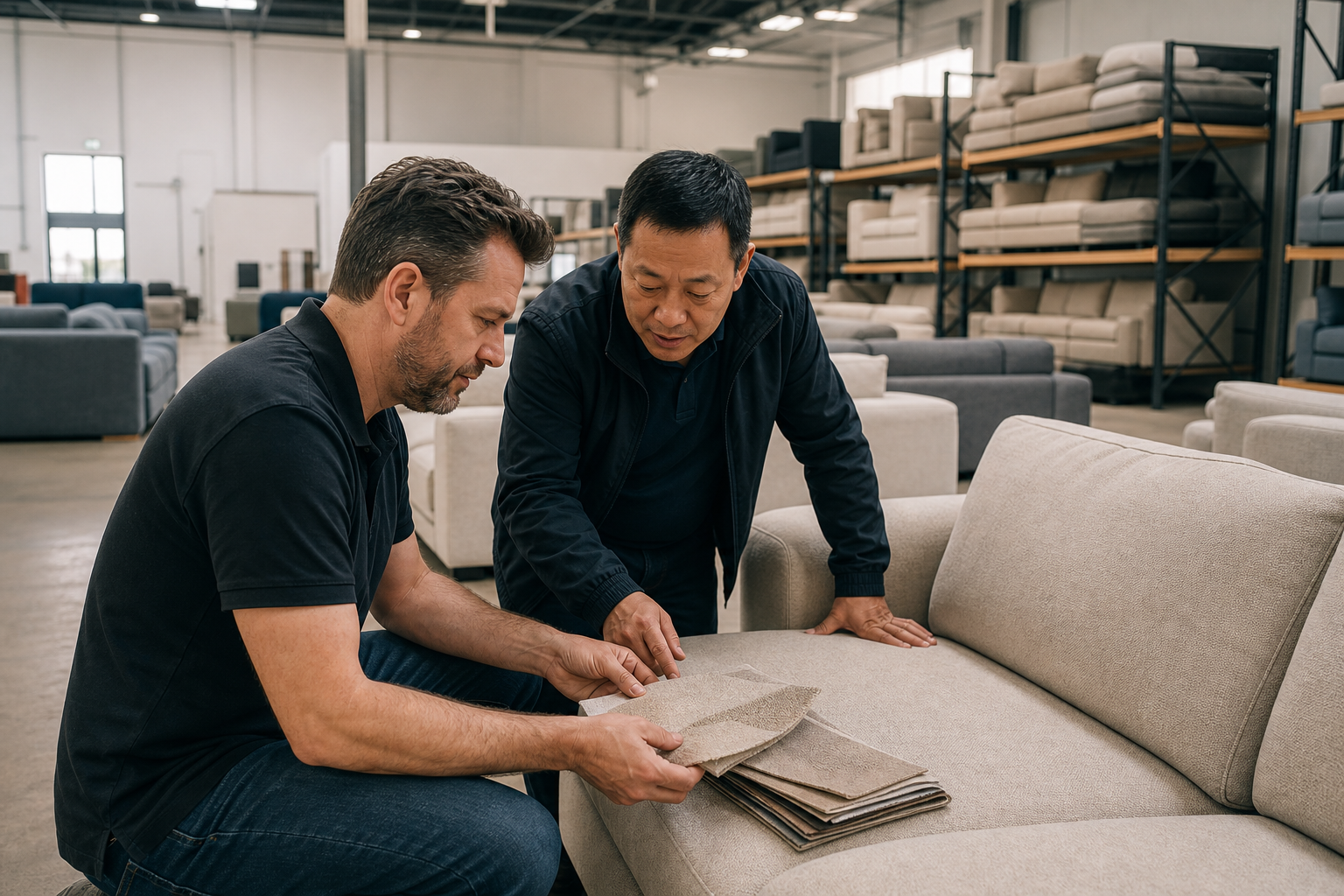
Why experience felt more reliable in the past
- Incremental market growth: When the overall market is expanding, many buying decisions look like wins. If demand is rising, marginal mistakes are hidden by volume. You could buy a slightly off-trend sofa and still move it because more people are shopping.
- Slow stylistic change: Trends used to evolve slowly. One style could sell for years and your stored experience stayed relevant.
- Limited SKU sets: Fewer variants meant fewer combinations to judge. Your gut covered most practical options.
Those conditions amplified the perceived value of experience. When things went well, you could reasonably attribute success to your judgment alone. That illusion breaks down as the underlying conditions change.
What has changed, and why it matters
1) Market growth is no longer doing the heavy lifting
When the market was growing, misses were self-correcting. Today many urban markets are mature. If new customers aren’t arriving in the same numbers, every buying decision must pull its own weight. A slow-moving SKU ties up cash and floor space that could instead be used to test fresh options.
2) Trends move faster
Social channels, global catalogs, and faster design cycles mean that a look that was hot six months ago can feel stale today. Experience built on a season that lasted years now needs to be validated every few months.
3) SKU explosion multiplies complexity
A sofa is no longer just a style. It’s the combination of module, seat depth, cushion fill, fabric, color, price band, and delivery promise. The number of realistic permutations has jumped dramatically. One person’s intuition can’t cover that combinatorial explosion.
4) Growth can hide bad choices
A product that sold in volume doesn’t prove every purchasing decision behind it was sound. Growth masks weak signals. When growth slows, hidden mistakes become expensive.
5) Historical wins tend to reinforce homogenization
If you keep buying what sold before, your showroom attracts people who want the same things you already show. You’ll see more of the same feedback and become increasingly confident that your selection reflects the whole market—when in fact you are disproportionately sampling people who already match your assortment.
6) Consumer preferences are fragmenting
Demographics, living spaces, and lifestyle channels now produce many micro-preferences. A nationwide trend might only fit a subset of your local buyers. If your decisions are driven only by previous buyers, you risk ignoring adjacent groups who simply weren’t reached by your old assortment.
7) Product lifecycles are shortening
Styles and marketing narratives spread and fade faster. The shelf life of a competitive advantage derived from a single popular SKU is shrinking.
8) AI increases idea velocity — and noise
AI lowers the cost of generating concepts. That means more designs, more marketing variations, more concepts competing for attention. More ideas are opportunities, but they also increase the burden of choosing what to test in the real world.
Business consequences for independent retailers
- Cash and floor space become higher-stakes assets. Each square meter and each purchase order needs clearer evidence of demand.
- Showrooms that rely only on repeats and intuition may increasingly miss pockets of demand or chase trends too late.
- Homogenized assortments reduce differentiation and make local marketing less effective.
Experience still matters — it helps you interpret signals and run better tests. But it needs to be treated as a hypothesis generator, not a final verdict.
What to do differently: practical decision changes
1) Convert intuition into small, fast tests
Instead of making large upfront orders on a hunch, test new styles with small pilot runs, pop-up displays, or limited-stock programing. Quick tests expose which variants appeal locally without tying up too much capital.
2) Collect richer feedback than sales alone
Track showroom interactions, online product page view-to-contact ratios, reservation requests, and qualified leads. Many customers who leave without buying still reveal valuable preferences through the questions they ask and the images they engage with.
3) Avoid confirmation loops
Rotate displays and intentionally show adjacent styles that might attract different shoppers. If you only show one aesthetic, you’ll only learn about that aesthetic.
4) Shorten your judgment cycle
Make buying decisions contingent on short-term, measurable signals. Update your assortment cadence quarterly or monthly where practical, rather than yearly.
5) Use factory-side test programs and pooled signals
This is where StarbornHub changes the equation. Rather than committing large PO money to a single new SKU, Shop-level pilots supported by factories let you test with lower risk. Factories still take the production risk, while you gather real local feedback. When a pilot validates, the supply chain can scale quickly. When it fails, your downside is limited.
How StarbornHub helps transform experience into reliable action
StarbornHub builds a cooperation mechanism between retailers and factory partners that recognizes the new decision environment:
- Pre-commitment signals: StarbornHub captures early buyer interest and micro-conversions across participating stores, not just a single showroom. That pooled signal helps you see whether a style resonates beyond your immediate customers.
- Low-cost pilots: Retailers can display or list new SKUs as part of factory-side trials. These pilots reduce the cash and inventory risk for independents while still giving them first-mover insight.
- Shared learning loop: Data from pilots — including reservation rates, lead quality, demographic splits, and conversion funnel metrics — flow back into the network. This helps distinguish what’s a local quirk from a broadly scalable opportunity.
- Faster scaling from proof: When a pilot proves strong, factories step in to scale supply without the long lead times and big initial inventory buys that once froze up cash.
That combination keeps your experience in the loop: your local judgment still identifies promising directions, but StarbornHub gives you the evidence you need before you go big.
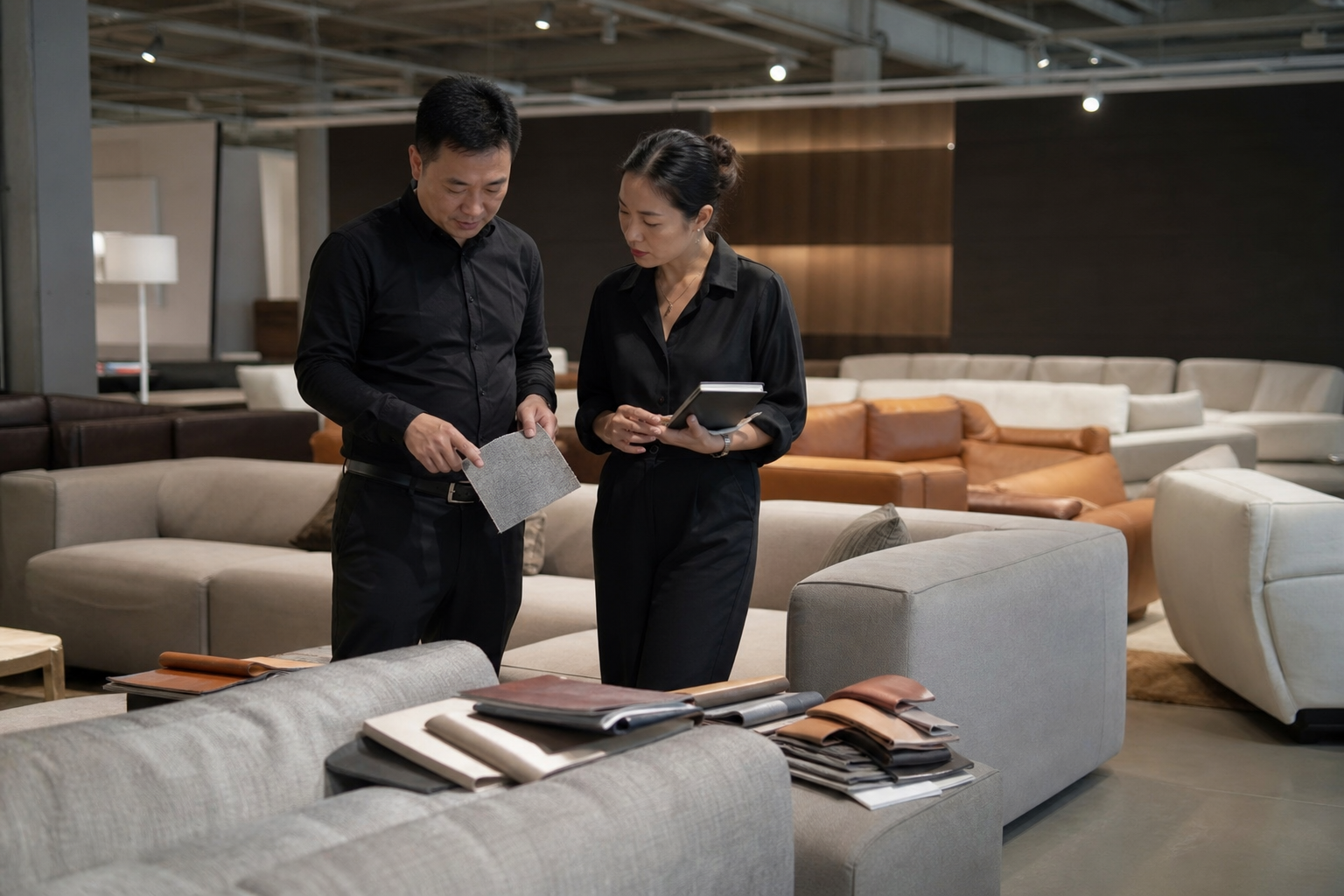
How to run a practical test program next week
- Pick one idea you believe in but haven’t fully proven locally — a fabric, a module, or a visual story.
- Negotiate a small pilot with the factory or via StarbornHub with limited stock and a clear test period.
- Display a live sample or digital mockup prominently and measure both expressed interest and conversions.
- Gather qualitative notes from sales staff: what questions came up, what objections, what imagery resonated.
- After the test, compare your pilot metrics against a minimum proof threshold: reservations per week, lead-to-sale conversion, and repeat interest from different customer segments.
- Decide to scale, iterate or retire the SKU based on those results, not just your initial gut.
Final thought: experience is the hypothesis, not the final answer
Your experience is still the anchor that participation history you toward promising ideas. But in a market with exploding SKUs, faster cycles, and fragmented preferences — amplified by AI-driven content — experience must be validated quickly and cheaply.
StarbornHub exists because independent retailers need clearer product-selection signals before deeper sofa stock commitments. Use your judgment to pick ideas to test, then use short, measurable pilots and platform-led cooperation backed by real factory capability to prove them. That way, your showroom cash and space are allocated to styles that have been validated by actual local demand, not just memory.
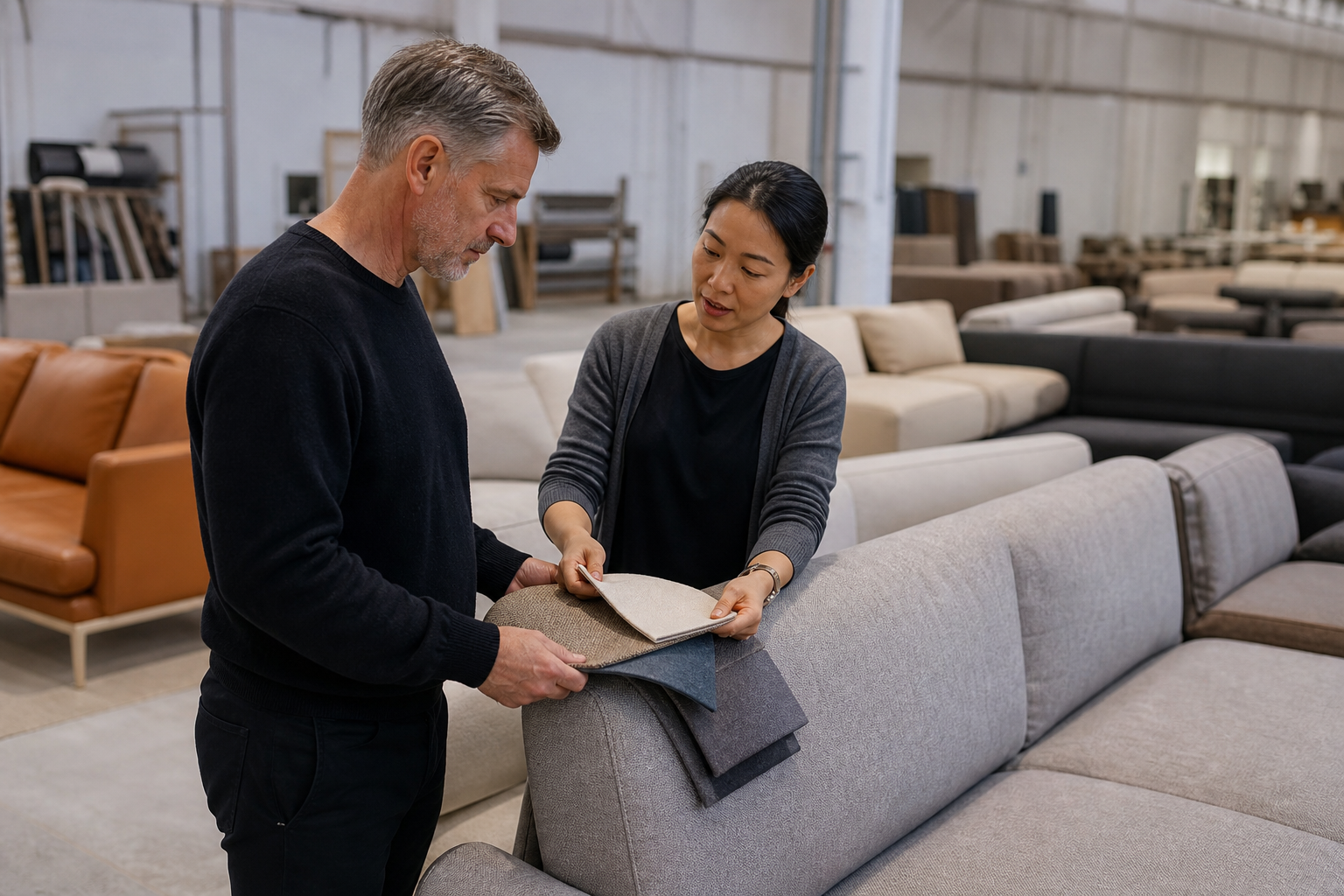
— Roger, StarbornHub
Conclusion
StarbornHub is built around the idea that independent retailers need clearer product-selection signals before deeper sofa stock commitments. For an independent furniture retailer, the point is not to accept a new supplier claim blindly. The point is to make the next product decision clearer before cash, showroom space, and customer trust are already committed.
More articles in this content module
Module: Product Selection Risk
This is the full reading map for the current content block, so you can follow the logic inside this topic before jumping to another issue.
- How do furniture retailers know which sofa styles will sell?
- How do furniture retailers know which sofa styles will sell?
- How do furniture retailers know which sofa styles will sell?
- How do furniture retailers know which sofa styles will sell?
- How do furniture retailers know which sofa styles will sell?
Other content modules you may want to explore
If your concern is not only this one issue, these modules open nearby paths in the StarbornHub theory system.
What this could improve if handled better: A positive business outcome or advantage the retailer may want.
What do local customers accept in size, price, comfort, color, delivery time, and style?
First reading in this module: How do I know what my local furniture customers actually want?
What it may take, cost, or risk: A decision concern about work, cost, risk, staff burden, or what the retailer might lose.
Validation And Small-Batch Testing
What should be validated before a larger stock commitment?
First reading in this module: Should furniture retailers buy stock before testing customer demand?
Why this path may be worth testing: A trust-building or low-commitment validation question.
Supplier Trust And Quality Responsibility
What incentive does the supplier have to protect quality after the first order?
First reading in this module: What should a furniture retailer ask before trusting a new sofa supplier?