

What We Saw
The gap between market and factory
The retailers closest to actual customers often had the least access to good product development, market insight, and flexible sourcing options.
Starborn was created from a simple observation: independent furniture retailers are closest to their local customers, yet the traditional supply chain often gives them too little support before the buying decision is made.
Starborn grew from years of watching independent furniture retailers struggle with the same problems: slower traffic, heavier stock risk, tighter cash flow, and buying decisions that had to be made before enough local response was clear.
The retailers closest to actual customers often had the least access to good product development, market insight, and flexible sourcing options.
Designing a sofa is one thing. Producing it consistently, inspecting it properly, and delivering it on time is what actually builds trust.
We wanted to create a model where retailers, design direction, consumer choice, and factory execution could finally work together instead of remaining disconnected.
We are not trying to be the biggest sofa factory. We are trying to be the most honest and useful partner for the right kind of retailer.
The furniture industry has long been organized around what is easiest for factories and large buyers - not around what helps smaller, independent retailers build something distinctive.
We believe the retailers who understand their market best deserve better support. Better access to product development. Better information before they buy. Better flexibility in how they test and scale.
Starborn was built to offer exactly that. We combine the discipline and accountability of a real manufacturing operation with a platform model that connects design input, retail judgement, consumer choice, and market-informed direction.
In practice, that means StarbornHub is designed to keep design exploration commercially grounded: global design thinking helps shape direction, retailers bring local commercial reality, consumer choice sharpens decisions, and our own factory turns selected directions into reliable product execution.
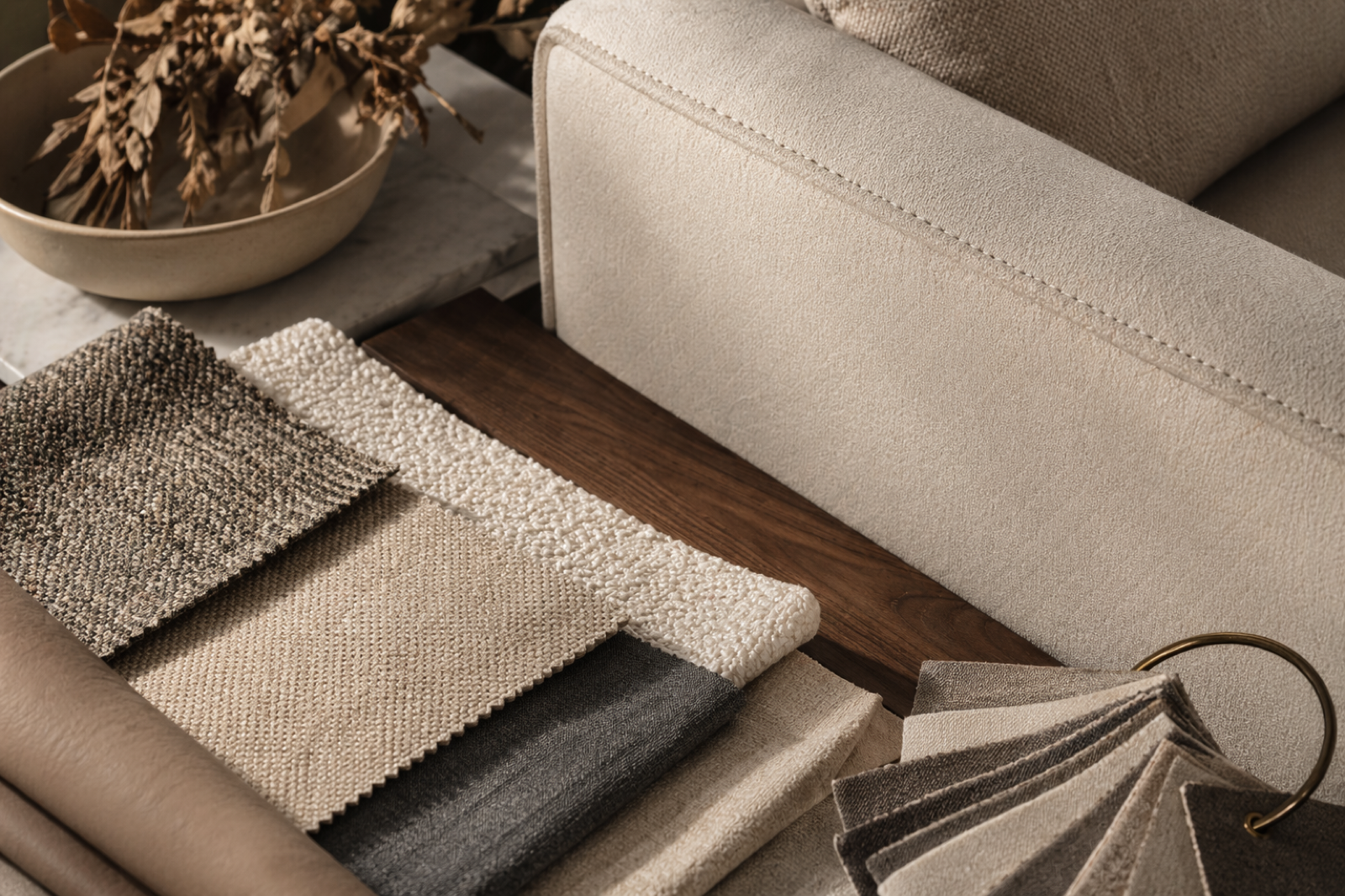
The quality of materials and construction is where our manufacturing commitment becomes tangible.
Most supply relationships move in one direction: the factory makes, the retailer buys, and the customer reacts too late. StarbornHub is building a more connected path where retailer reality and consumer choice can influence direction earlier.
Design input helps keep the range fresh, but it is filtered through retail reality rather than treated as an isolated creative exercise.
Independent retailers contribute the local judgement that large supply systems often miss: what their customers live with, what they value, and what fits the market.
Consumer choice and market-informed learning become part of the development conversation, helping refine direction before scaling production.
Our own factory turns the right decisions into sampling, production, inspection, and delivery with one accountable operating team.
Stores with fewer than 5 locations that want to build something more considered than a typical high-street offer.
Stores that care about aesthetics, craftsmanship, and how a sofa actually looks and feels in a real home.
Retailers who want a genuine partnership, not just a transactional supplier relationship.