
What should happen after a court confirms infringement?

When a court confirms a design was infringing, clear, fair steps matter for retailers and creators. This article explains how to think about decisions, risks, and business continuity.
StarbornHub is a growth system, not a product catalogue. Our focus is on helping retailers make safer product choices and keep margin while respecting creative contribution.
We will explain the logic and the practical outcomes. The aim is to help you make steady decisions. You will learn what to expect and how to work with StarbornHub and Starborn Furniture.
How will StarbornHub act after a court ruling?
Short lead: The platform follows the ruling and stops offering the confirmed style for sale through its channels.
StarbornHub will remove the infringing style from future platform listings. It will not block historic sales or retroactively punish past activity without legal grounds.
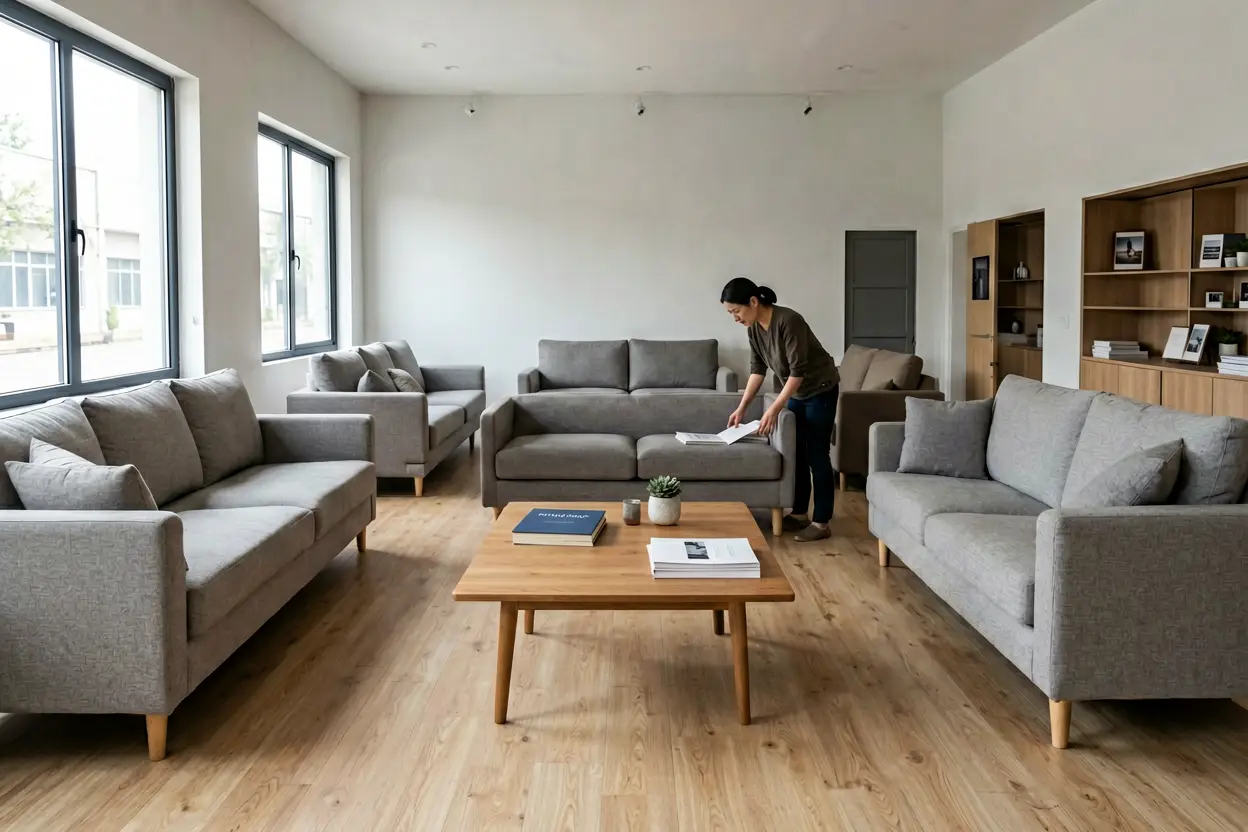
When a court issues a decision, the first practical step is to stop listing the style on StarbornHub. That protects the platform and partners from ongoing exposure. At the same time, StarbornHub treats historical transactions as factual events. Revenue and any creator payments that were already calculated and paid for past sales reflect real-world commerce at that time. The platform's position is to avoid unilateral retroactive recovery of sums tied to those completed sales, unless there is a clear legal obligation to do otherwise. For retailers, that means you can expect the platform to act to prevent new sales through its channels, while taking a measured stance on past payments. This approach balances legal compliance, fairness to creators and retailers, and commercial predictability. It also helps maintain trust across the system so that designers, factories, and shops know how outcomes will be handled when disputes are resolved by courts.
What about stock already in stores or transit?
Short lead: Decisions about existing inventory are made case by case, not with a blanket rule.
Whether to stop selling, recall, or continue to sell remaining stock is evaluated by facts. Local law, the court's wording, and the retailer's context all matter.

Inventory already bought and in your store poses a practical question. Many countries and cities have different rules about recalls, injunctions, and consumer protections. StarbornHub does not impose a single global requirement. Instead, the platform works with retailers to look at the specifics. That includes the court's scope, any formal takedown or recall orders, and the claims made by the complainant. Retailers should consider local regulation, reputational risk, and customer communication. In some cases it makes sense to sell through remaining stock while disclosing necessary information. In others, a pause or targeted removal may be safer. StarbornHub aims to provide guidance and support, not abrupt one-size-fits-all mandates. This measured approach protects retailers' investments while allowing the system to follow legal requirements and respect complainant remedies when mandated.
How does StarbornHub respect creative contributors and designers?
Short lead: Creative inputs and design submissions deserve clear respect, review, and practical development paths.
Ideas must be treated with care. Contributions should be reviewed with clear credit and practical feasibility. StarbornHub builds decisions on customer signals and design respect, not guesswork.

StarbornHub's mechanism is designed to protect creative work while enabling practical product development. That means when a design is proposed, it should receive a fair review. The platform emphasizes evidence from customer signals and market testing over theoretical claims. Designers and retailers both benefit when submissions are evaluated for manufacturability, market fit, and differentiating features. If a dispute later goes to court, the record of respectful handling, prompt review, and reasoned decisions helps everyone. StarbornHub also supports clear roles: creators are credited, factories manage production capability, and retailers choose local assortments. The system avoids rewarding weak claims or suppressing valid creativity. It balances respect for intellectual contribution with the need to build real, sellable products that meet customer demand and protect retailer margins.
How can retailers use this process to protect margin and conversion?
Short lead: Treat the ruling as part of a broader sourcing strategy that values scarcity, fit, and safe choices.
Good sourcing reduces future exposure. Focus on market-fit scarcity, clearer customer signals, and safer product choices to protect margin and improve conversion.
When a style is removed after a ruling, retailers can learn from the process. The goal is not only to avoid problems. It is to make smarter buying choices going forward. Use local customer feedback, limited runs, and clear product stories to build scarcity that sells. Rely on StarbornHub's mechanisms to surface signals from similar cities and customer groups. That helps you choose styles that convert and keep margin. Work with Starborn Furniture on production options that let you adjust quickly. Keep records of design approvals and communication. That reduces risk and improves your negotiating position. Remember that the platform is free to join and built to help independent shops grow. It is not a replacement for your buying judgment. It is a system that makes safer product decisions easier and supports operational steps like logistics and display. By combining local knowledge with system-level signals, you can protect margin, raise conversion, and respond quickly if a legal issue arises.
Conclusion
Clear, fair processes protect retailers, creators, and customers. Use StarbornHub as a practical tool to make safer product choices, respect creative work, and keep your margins and conversions strong.