
What happens if a submitted design is changed before production?
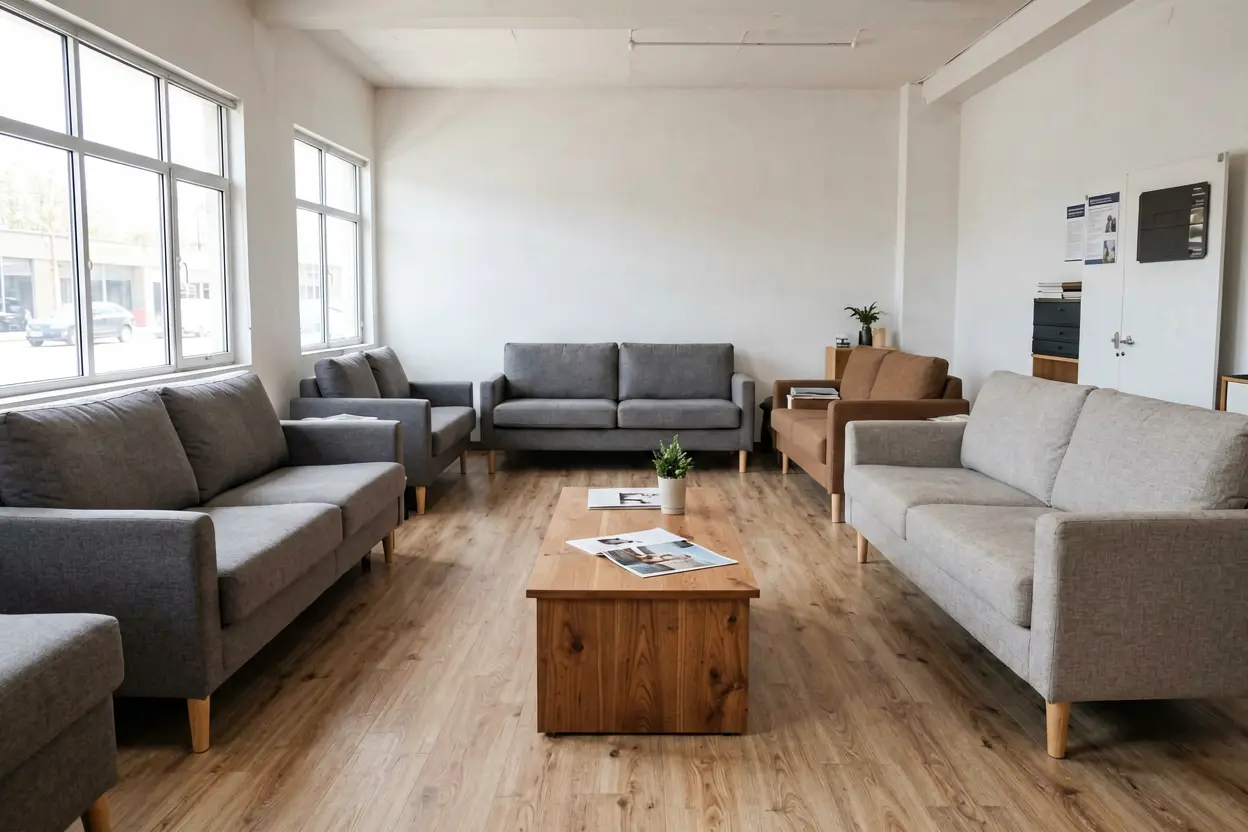
Designs start as pictures and ideas. They often need technical work to become saleable sofas. Retailers should know how changes affect credit, supply and market fit.
StarbornHub protects the creative contribution while the factory turns the idea into a real, shippable product. The platform keeps things open and fair, while allowing practical production work to happen.
Design review is part of healthy product development. Below are the common questions retailers ask. The answers explain the logic and the practical effect for your shop, your margins, and your customers.
Why are submitted designs changed before production?
Design submissions are usually concept images. They show look, style and mood rather than finished engineering.
Changes happen because what looks right in a picture will often need structural, cost and logistics adjustments to become a real product customers can buy and receive.
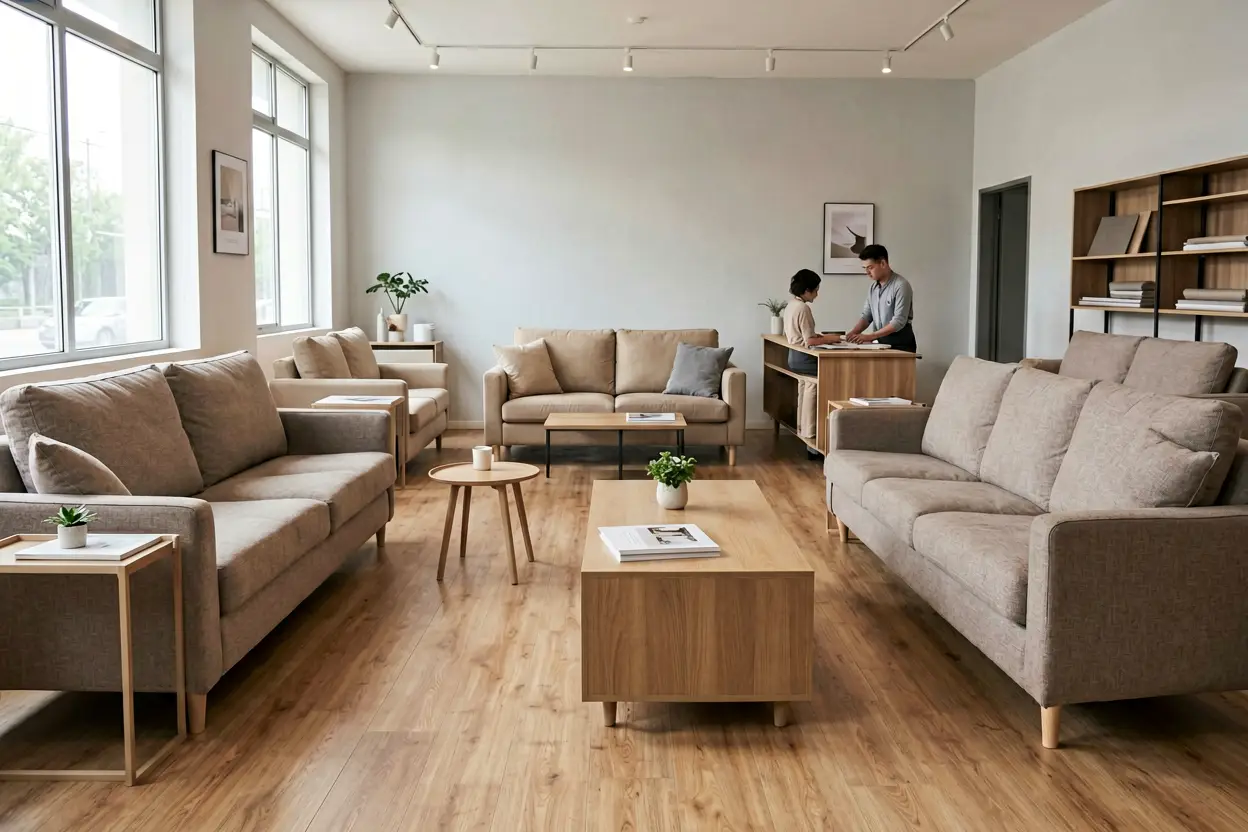
A sketch or render is a starting point. Factories must check strength, assembly, materials, packaging and shipping. They also test comfort and durability. These realities guide choices about frame, foam, cover, stitching and dimensions. Cost control and regulatory needs may also require modest shifts. None of this diminishes the creative source. The original submission gives the look and direction. The factory translates that direction into a product that can be made, shipped and sold at scale. For retailers, the important outcome is a product that matches the visual intent enough to sell, while meeting quality and delivery needs. This practical work improves the chance of a smooth launch. StarbornHub is the mechanism that links idea and factory work. Starborn Furniture provides the factory capability layer. Roger acts as the trusted bridge who keeps communication clear between creative contributors, factories and retailers.
Who keeps credit and rewards when a design changes?
Retailers want assurance that creative contributors stay acknowledged when designs are adapted.
When the final product clearly comes from a submitted design, the original contributor keeps their rightful credit and reward tied to that creative source.

StarbornHub treats submissions as creative input. The platform looks for clear lineage between the submission and the final SKU. If the product carries the look, concept and core idea from the submission, the contributor retains their commission or reward rights. Public writing can’t show private contract language or internal payout formulas. But the principle is clear: creative ownership is respected. At the same time, factories deserve credit for the engineering and delivery work that makes the product real. This is why roles are separated: contributors provide the creative direction; Starborn Furniture supplies the production expertise; StarbornHub manages the bridge between them. Roger helps maintain trust and transparent communication. For an independent retailer, this means you can source differentiated products with confidence that the creative source is acknowledged and that production changes are part of a managed process, not a loss of credit.
How does StarbornHub balance creativity with production realities?
You need distinct strengths to turn a concept into a sellable sofa. Creativity and production must work together.
StarbornHub is a free-to-join growth system, not a catalogue of sofas. It brings together design ideas, factory capability and market signals so retailers can make safer product decisions and build scarcity where it fits.

The platform uses a few practical principles. First, respect the creative direction. Designers set the look and the story. Second, validate that direction with real customer signals so the product fits market demand. Third, accept that factories must adapt designs to meet engineering, cost and logistics constraints. Fourth, keep fair contribution records so each party’s role is clear over time. Finally, allow city-level and shop-level differentiation so retailers can tailor offerings to local taste. StarbornHub’s mechanism combines these ideas without acting as “one more sofa supplier.” It helps retailers improve conversion and margin by promoting market-fit scarcity. The system supports iterative development rather than rigid perfection. This way a design can be both true to its origin and realistic to build. Roger’s role is to keep the trust lines open. He makes sure contributors, factories and retailers understand how changes were made and why.
What should independent retailers do when a submitted design changes?
Retailers need clear actions to protect margins and customer trust when a design is adapted.
Document the design lineage, ask for clear product photography and story, and use limited runs to test market response before committing large inventory.
When a design is adapted, ask for a simple comparison between the submission and the final product. Look for the same style cues, proportions and distinguishing details. Use those cues in your sales story. Track early customer response and conversion closely. If possible, order smaller batches for launch to reduce risk while you confirm market fit. Communicate transparently with customers about any small practical differences that affect fit or comfort. Respect creative contributors by acknowledging the source of the design in your merchandising where appropriate. Lean on StarbornHub and Roger for support if you need clarity about lineage or operational help. Remember that changes are normal and often necessary. The goal is a product that sells well and protects your margin. When you follow these steps, you make safer product decisions and build the kind of scarcity that improves conversion without exposing you to undue stock risk.
Conclusion
Design changes are a normal part of making sofas that sell. StarbornHub keeps creative credit, the factory makes products real, and retailers get clearer market-fit choices. Follow simple documentation and staging practices to protect margin and conversion.