
How does a furniture retailer build its own growth flywheel?
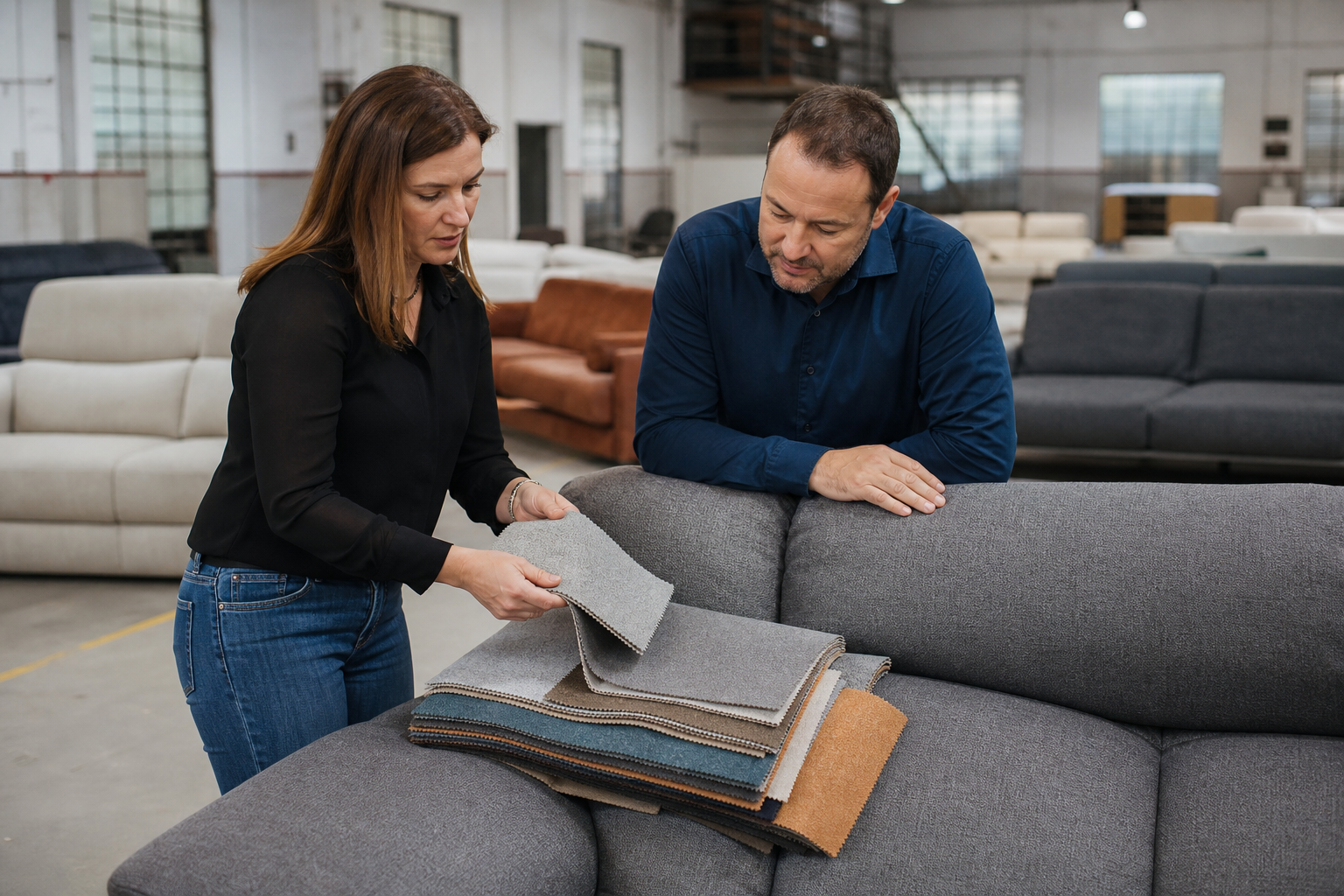
You walk into your showroom and the reality is obvious: fewer people are coming through the door, slow-moving pieces are tying up cash and floor space, and every markdown chips into margins.
The instinct is to clear stock faster — promos, bundle deals, flash sales. Those moves help short-term cash flow, but they don't fix the underlying problem. If you want to change persistent low traffic and chronic slow turnover, you need a different conversation: how product selection, procurement, operations and local trust interact as a system — and how to build a flywheel that turns those interactions into predictable growth.
This is what successful stores do: they treat their business as a set of interdependent elements and then use targeted levers to change the conditions that cause slow movement in the first place.
The business reality: every operating choice constrains another
Retail outcomes aren’t driven by a single lever. Design, procurement, margin targets, sample and display investments, inventory turnover, and how you build customer relationships all feed each other. For example:
- If procurement misses local taste, products sit in the warehouse. Slow turnover ties up cash, which reduces the ability to buy fresh samples and keep displays current.
- If margins are too thin, stores won’t invest in training or attractive displays that convert casual visitors into buyers.
- If you can’t offer flexible replenishment or small-batch samples, you’re forced into larger bets that increase the chance of misalignment with local demand.
Treat these as a network, not a checklist. Improving one node (better-matched styles) eases pressure elsewhere (faster turnover, more reinvestment in customer development). The goal is a virtuous loop: better products attract more engaged shoppers, which produces better local data, which in turn improves future buying.
Where the platform helps: levers that change the conditions
StarbornHub acts as an external lever for independent retailers. We don’t run your store, but we provide operational capabilities that change the underlying economics and reduce the risk of wrong bets. The practical areas to focus on are:
- Improve product-market fit close to home. Mechanisms like local voting and retailer sample reports bring real local preference signals into buying decisions. That means fewer surprises when a style lands in your showroom.
- Reduce procurement friction and risk. Access to a shared fabric pool, flexible supply arrangements and opportunities to combine orders with other stores let you test assortments with lower upfront capital. You don’t need to bet the store to validate a new idea.
- Protect the value of your local investment. Where retailers commit to developing customers and participate in the validation process, phased local protections make it more attractive to invest in samples, displays and staff training — because you’re more likely to capture the returns locally.
- Provide sales enablement and consistent aftercare. Templates for promotion, product training for sales staff, and unified quality and after-sales support reduce the marginal cost of converting a visitor and keeping them satisfied after purchase.
These are platform-level capabilities: not hard controls on how you run the shop, but support that changes the economic payoff of doing things differently.
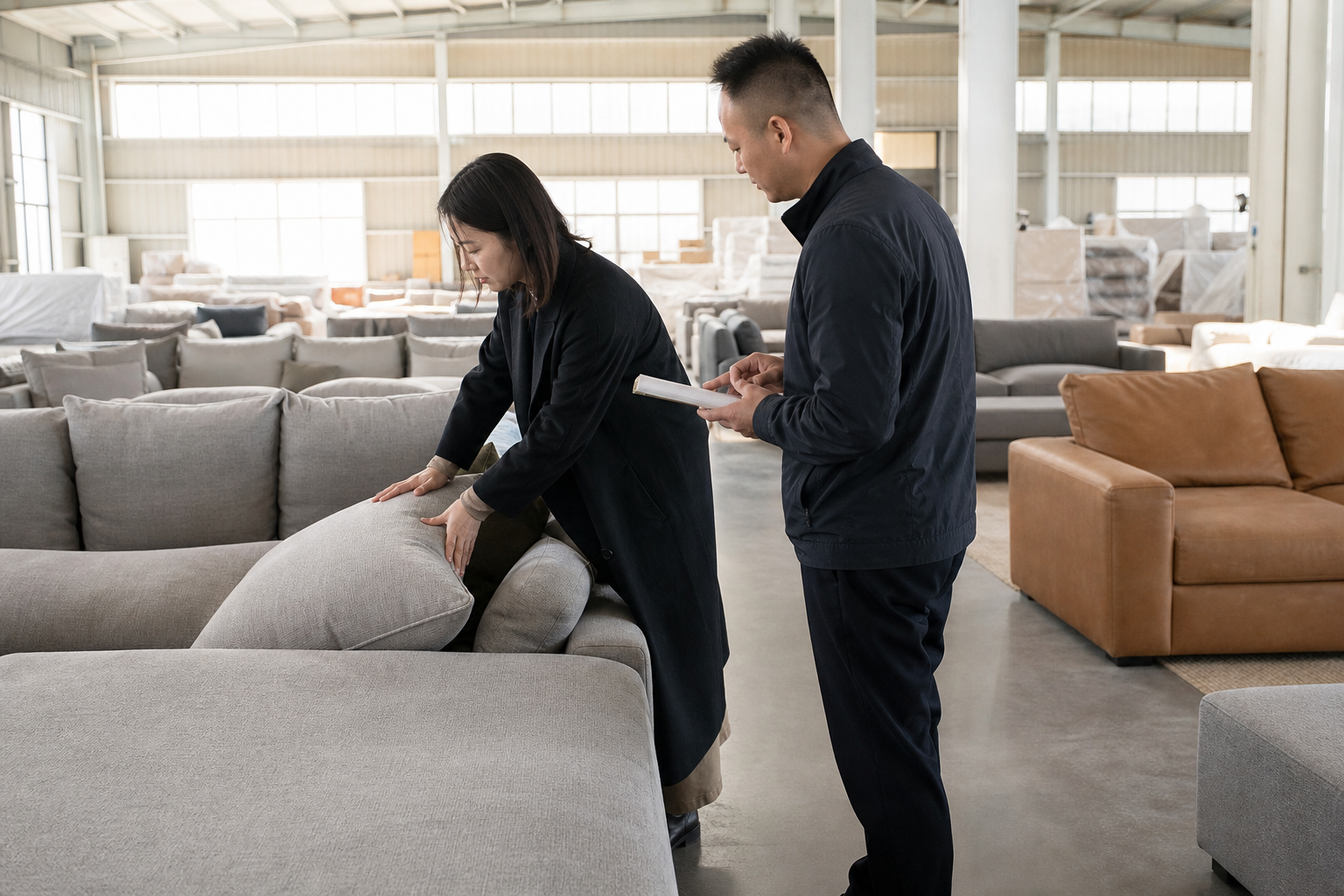
From small wins to stronger participation: the behavior loop
When these levers work in sequence, they create visible improvements that encourage the very behavior that strengthens the system:
- Faster match between products and local taste reduces dead inventory and improves turnover. That frees cash to buy attractive samples and keep displays fresh — which makes the store more inviting.
- Early, visible wins build confidence. Seeing a sample display turn into a sale — and being able to replenish in smaller quantities — nudges retailers to invest more in customer development activities: training, in-store events, and local promotions.
- Increased participation produces better local data. When customers and retailers engage with voting tools, sample feedback, and localized trials, the platform gets higher-quality signals. Those signals reduce the guesswork for future buying.
- Satisfied retailers refer others; new retailers bring more buying nodes and more pooling opportunities for small-batch orders, which improves supply flexibility and reduces costs for everyone.
That cycle — improved conditions, stronger local effort, richer signals, and improved supply response — is the flywheel. The key is that participation amplifies improvement. The more you use the validation tools and the more you invest locally, the more the system rewards you.
Practical steps to stop treating traffic as a one-off problem
If your immediate situation is “there are no customers,” use that pressure as the prompt to change how you approach assortment and procurement. Practical moves that follow the flywheel logic:
- Validate before you stock. Use local votes, small sample displays, and short-run trials to see what resonates. Don’t assume a piece that works regionally will work in your micro-market.
- Use small-batch replenishment and shared fabric pools where available. These mechanisms let you scale what works and cut what doesn’t without large write-offs.
- Make your displays and staff training a deliberate investment. When turnover improves, reinvest a portion of the freed cash into merchandising and sales training that convert casual traffic into buyers.
- Track short-term signals, not just long-term promises. Instead of relying only on distant forecasts, look at changes in store visits after a sample goes on display, or conversion lift after a targeted training session. These short feedback loops keep morale and buy-in high.
- Prioritize partners committed to customer development. Work with suppliers and platform partners that are willing to support local trials, fast small replenishments, and marketing materials that reduce the burden on your team.
Managing the risks: phased rollouts and selection
A flywheel doesn’t auto-start. It requires three safeguards:
- Partner selection: prioritize partnerships with retailers who are ready to build local customer relationships and follow through on sample placement and basic data collection. High-selection standards reduce wasted effort.
- Phased scaling: expand initiatives geography by geography as supply flexibility, training support and local aftercare mature. Don’t scale a model beyond where the supply chain can reliably deliver small replenishments and quality support.
- Deliver visible early returns: rely on short-term, measurable feedback (sample engagement, vote responses, incremental footfall) to maintain retailer confidence, rather than promises of distant benefits.
Finally, keep platform growth aligned with retailer outcomes. If the platform chases scale without returning capabilities to participating stores, the flywheel stalls. Sustainable expansion means the platform’s improvements — in selection, supply, and support — must flow back to the stores that seed the system.
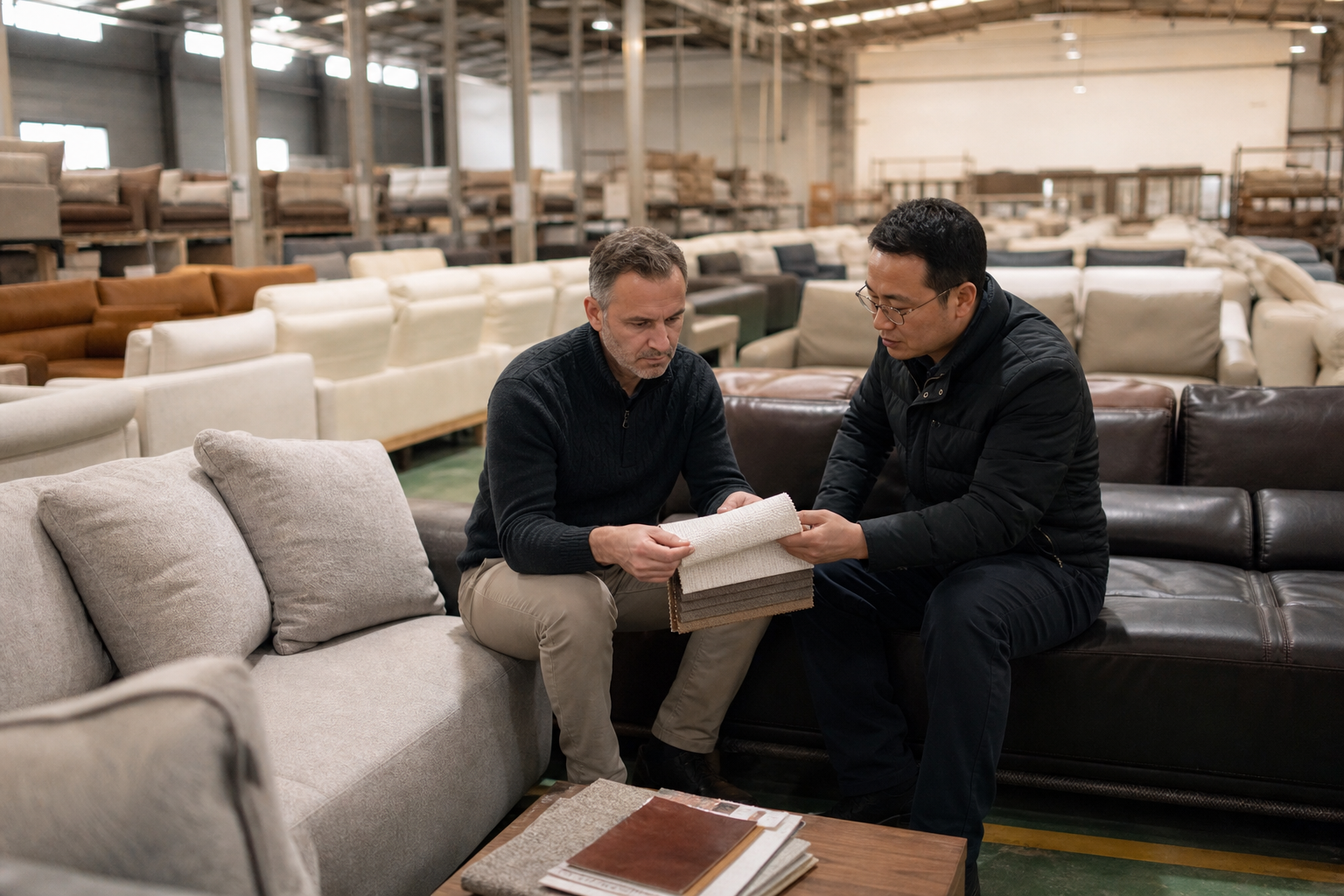
What StarbornHub practically changes for a retailer
From a retailer’s point of view, partnering with a mechanism like StarbornHub changes three conditions that often trap stores:
1. It lowers the cost of learning. Small samples and local voting convert expensive guessing into low-cost experiments.
2. It widens your replenishment options. Flexible supply and pooled sourcing reduce the financial penalties of testing assortments.
3. It makes local investment less risky. Phased protections and consistent aftercare increase the chance that displays, events and staff training yield returns in your market.
Those changes let you shift from reactive clearance tactics to a proactive buying and merchandising rhythm: validate, display, measure, scale. Over time, that rhythm pulls more people through the door because your assortment, messaging and service become more reliably aligned with what your customers actually want.
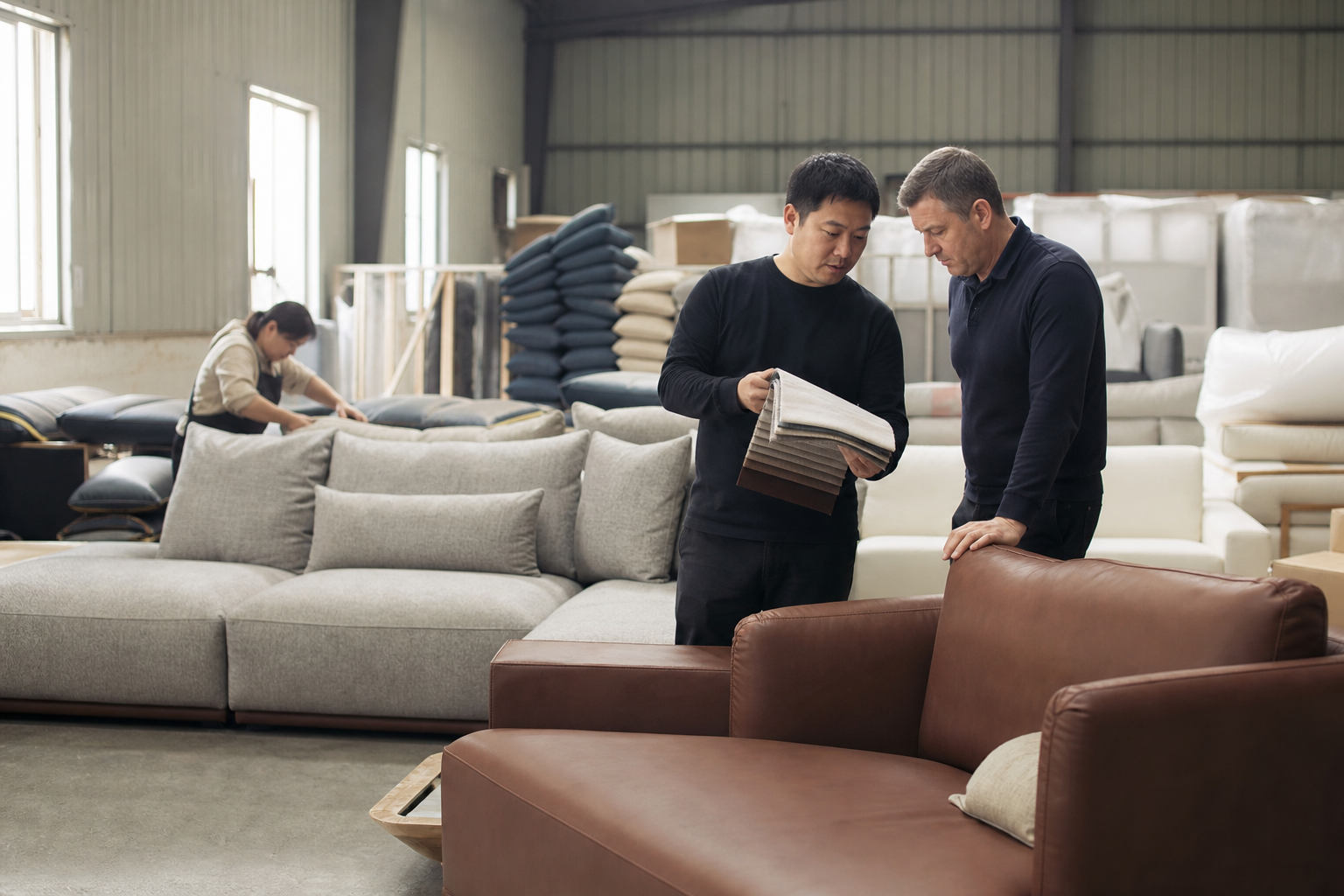
Signals to watch: how to tell the flywheel is turning
- Short-term: stronger conversion on sample displays, measurable footfall lift after local promotions, lower write-offs on new SKUs.
- Medium-term: rising repeat visits from customers who interacted with a validated sample; more confident buy-in for mid-range inventory; better-quality leads from referrals.
- Long-term: sustained improvement in cash flow and the ability to reinvest in storefronts, people and local marketing without constant discounting.
If those signals are absent, check the weakest links: is supply flexible enough to support small replenishments? Are sample displays being rotated and promoted? Is the team trained to use the validation feedback?
Conclusion
Clearing slow-moving inventory with discounts is a short-term fix. The sustainable answer is to change the conditions that create slow movement: validate product fit before committing large stock, lower procurement risk with flexible supply and pooled sourcing, protect the payoff for local investment, and provide sales and aftercare support that reduces the marginal cost of converting visitors. When those pieces work together, small wins build retailer confidence, participation increases, the platform gains better local data, and the whole system becomes more resilient. For an independent furniture retailer, the practical question shifts from "How do I move inventory faster today?" to "How do I create repeatable, low-risk ways to find what my customers actually want?" That shift is the start of a real growth flywheel.
More articles in this content module
Module: Traffic And Conversion Diagnosis
This is the full reading map for the current content block, so you can follow the logic inside this topic before jumping to another issue.
- What is the operating formula behind an independent furniture store?
- Retailer Assets and the Operational Compounding Flywheel
- What really improves an independent furniture retailer's business?
- How does a furniture retailer build its own growth flywheel?
- Why fewer customers are walking into your furniture store — and what to do about it
Other content modules you may want to explore
If your concern is not only this one issue, these modules open nearby paths in the StarbornHub theory system.
Another problem retailers often connect to this: A nearby visible problem you may also be dealing with
Showroom Space And Opportunity Cost
What better product, display, or customer conversation is blocked by the current slow-selling item?
First reading in this module: How much showroom space should a slow-selling sofa keep?
What this could improve if handled better: A possible business gain behind this issue
When does useful customer feedback arrive relative to the buying decision?
First reading in this module: Why does useful furniture customer feedback arrive too late?
What it may take, cost, or risk: The practical concern before trying a new path
Does the margin calculation include freight, delivery, damage, markdowns, financing, returns, and slow stock?
First reading in this module: How much margin room does an independent furniture retailer need?