
AI Cannot Replace Design Judgement?

Retailers ask me all the time: "How do I know which sofa styles will sell?"
It's the crux of inventory risk — too many wrong choices and you tie up cash, showroom space and staff time. AI has exploded the number of visual ideas you can test quickly, but the business truth is simple: a pretty image is not the same as a sellable sofa. The hard work is turning visual interest into a product that survives real homes, shipping, returns and local tastes.
Below I walk through why professional design judgement still matters for retailers, what signals actually predict sell-through, and how StarbornHub's platform cooperation mechanism backed by real factory capabilitys help you move from image to sample to stock with less guesswork.
---
Why images are only the start
AI accelerates expression. It gives designers and brands dozens of visual options in a fraction of the time and cost it used to take. That helps with discovering new styles and spotting aesthetic trends quickly.
But commercial furniture is a systems problem, not an image problem. A sofa that looks right in a render can fail on practical dimensions:
- Ergonomics and sit‑feel that can't be fully judged from 2D or even a photorealistic render.
- Structural choices — frame joinery, spring systems, reinforcement — that determine durability and repairability.
- Material interactions (fabric abrasion, filling behavior, seams and piping) that affect longevity and customer support workload.
- Packaging and transport considerations that influence damage rates and cost to deliver.
Those are the exact places where human experience matters: designers, factory engineers and frontline retailers cast a combined judgment across aesthetic intent, manufacturing reality and local expectations.
---
What actually predicts a sofa’s sell-through
If you want to decide which styles deserve showroom space and cash, watch for signals that go beyond image popularity:
- Localized customer response, not global likes. A style that drives curiosity online may not match your neighbourhood’s lifestyle or typical room sizes.
- Prototype sit tests. Actual sit-feel (depth, back angle, cushion resilience) changes conversion far more than small surface tweaks.
- Service risk indicators. Fabrics or trim that require special cleaning or have high abrasion risk create returns and complaints — factor that into selection.
- Production fit. Designs that map easily to your supplier base and packaging channels keep lead times and costs predictable.
- Retailer feedback loops. Sales associates’ qualitative notes about who is trying a piece and what stops a sale are powerful early signals.
Each of these is measurable without revealing store-level secrets: foot traffic conversion by style, sample hold times, feedback tags, return reasons. Together they convert aesthetic curiosity into a business case for reorder.
---

The designer’s multi-dimensional role (why you still need them)
Designers are more than image makers. Their value is cross-disciplinary and pragmatic:
- They propose viable forms, not just attractive pictures.
- They balance proportion and rhythm with human scale and manufacturing limits.
- They know which materials and construction methods will achieve the intended look and longevity.
- They anticipate downstream costs: shipping profile, packaging, assembly and repair.
On StarbornHub designers act as translators between market interest, factory capability and retailer reality. That translation is what reduces development failures and brings visuals to life as sellable, durable products.
---
How StarbornHub helps retailers choose with less risk
StarbornHub is built around the idea that independent retailers need clearer product-selection signals before deeper stock commitments. We do this through a cooperation mechanism that keeps the factory relationship central while giving retailers early, localized feedback.
Key parts of the mechanism you’ll notice in practice:
- Market feedback that’s structured: votes, retailer reports and prototype tests create multiple, independent signals instead of a single popularity metric.
- Designer involvement focused on feasibility: designers refine promising visual ideas with manufacturing-aware adjustments so samples are representative of production reality.
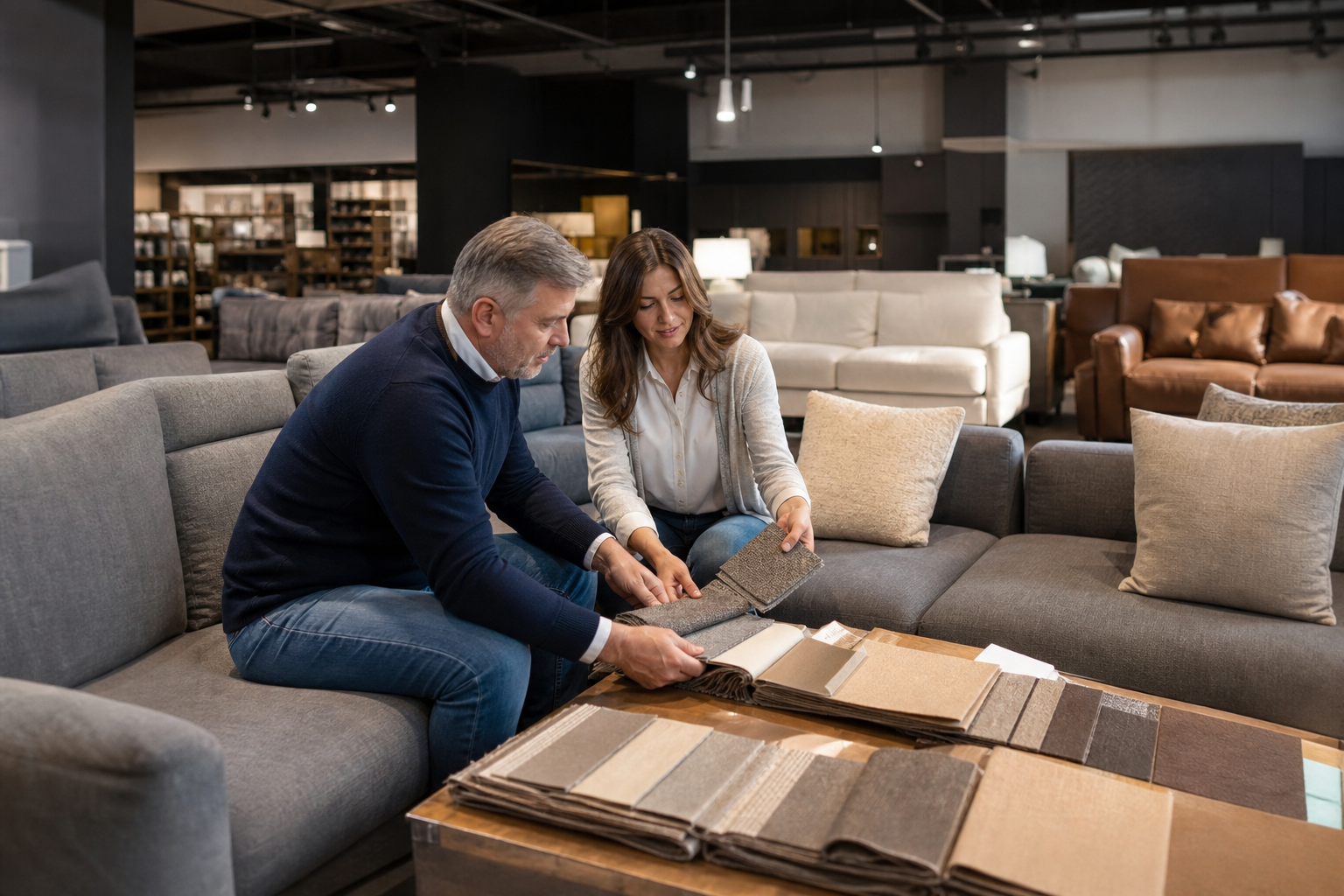
- Local protection and retailer participation: early testers and local showrooms can trial pieces without full inventory risk, and their feedback carries weight in development decisions.
- A value-sharing framework that aligns all parties: designers, factories and retail partners have clear participation routes and incentives to reduce development failures and support successful launches.
These aren’t magic knobs. They’re cooperative steps that make product selection more evidence-based: you get to see how real customers react to a sample in your context, with production-aware designs that won’t fall apart in a warehouse.
---
Practical checklist for retailers: turning signals into decisions
When you’re deciding whether a sofa deserves showroom space, follow a short, practical process:
1. Look for combined signals: an image that is popular, positive showroom reactions and a prototype that passes sit and material checks.
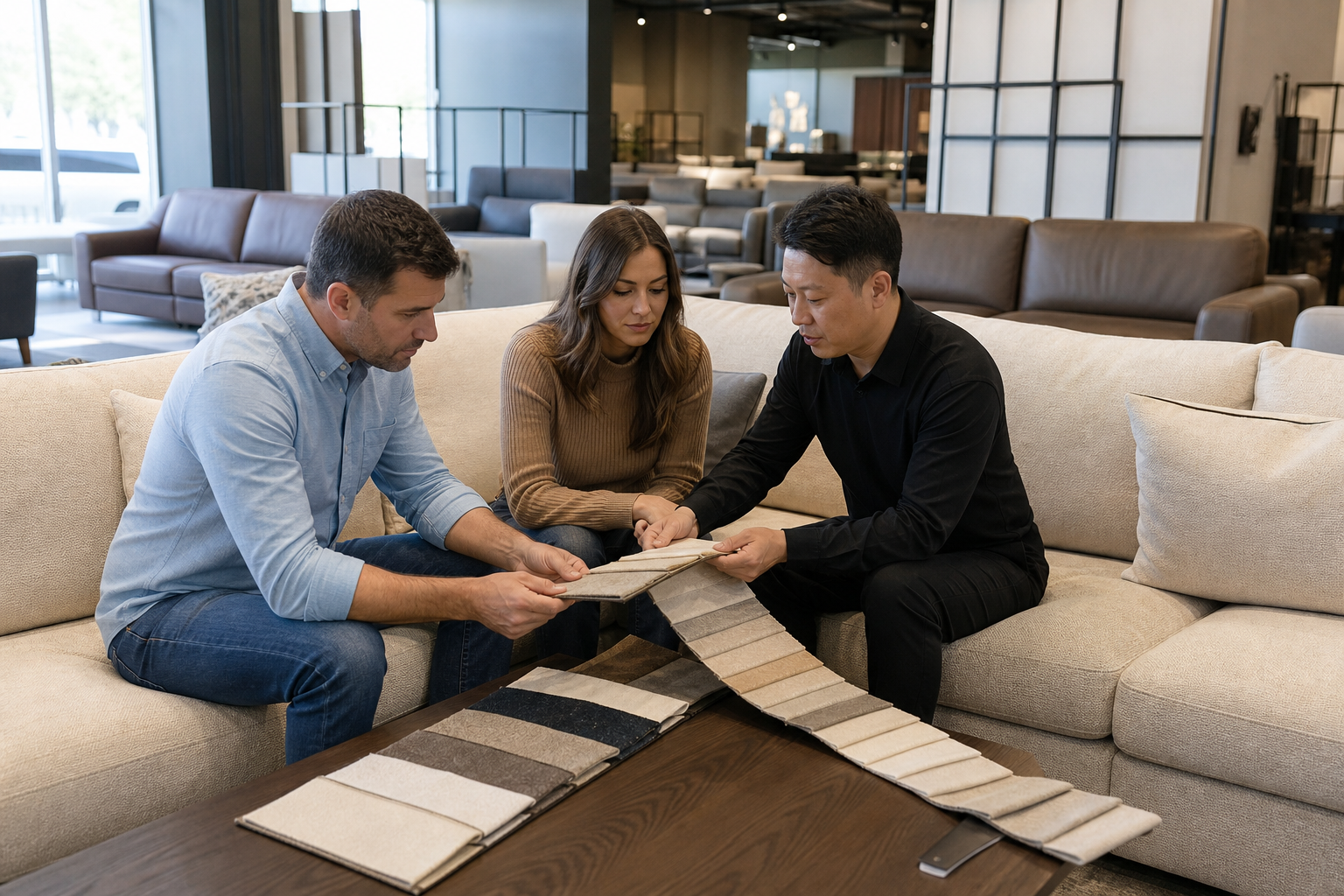
2. Inspect the sample with a checklist: dimensions vs typical room sizes in your market, back angle and seat depth, cushion resilience, seam and zipper accessibility for repairs.
3. Ask about the manufacturing fit: can the design be produced without exotic tooling or fragile components? Is the shipping footprint reasonable for your delivery network?
4. Trial locally before committing: short-term sample placement or a limited pre-order helps measure real demand without full stock investment.
5. Collect structured feedback: use standard tags for objections (e.g., "too deep", "fabric worry", "price mismatch") so trends are clear across SKUs.
6. Use the designer and factory input: if the design is attractive but has fixable issues, get a production-aware revision rather than rejecting the whole idea.
This process reduces guesswork. It converts surface interest into measurable, repeatable criteria you can use across seasons.
---
What to expect from AI in this loop
Treat AI as a fast ideation engine: it expands the set of styles you can consider and speeds up early design conversations. But expect two practical limits:
- AI’s outputs need a human filter for production readiness. Designers and engineers translate visual ideas into viable products.
- AI cannot replace local market knowledge and tactile testing. You still need showroom trials and customer feedback to validate fit for your customers.
Use AI to shorten the time between noticing a trend and getting a representative sample on the floor — but keep the business filters in place.
---
A note on risk and reward
No system removes development risk entirely. What StarbornHub does is reframe risk as a shared, managed process: early customer signals and designer–factory collaboration reduce blind bets, and retailers get clearer evidence before deeper stock commitments. That matters for independents where cash and showroom space are limited.
You’ll still need to decide: how many styles can you trial at once? Which price bands are core to your business? StarbornHub makes those choices less about guesswork and more about evidence.
Conclusion
Pretty pictures generate attention, but sales require a product that passes ergonomic, structural and manufacturing tests in your market. For independent retailers, the path to better sofa decisions is simple: combine localized customer response, prototype sit tests and production-aware design adjustments. StarbornHub’s cooperation mechanism brings those strands together — designer expertise, factory capability and retailer feedback — so you can move from curiosity to confident stock choices with less cash and space risk. The next time a style looks tempting, treat the render as the start of a short validation loop, not the final answer.
More articles in this content module
Module: Product Selection Risk
This is the full reading map for the current content block, so you can follow the logic inside this topic before jumping to another issue.
- Who really decides whether a sofa style will sell?
- Why is retail experience alone less reliable than before?
- How can a retailer make better buying decisions with limited space and cash?
- How should a furniture store build a stronger product range?
- What makes a furniture buying decision actually good?
- How can a furniture retailer choose products with better direction?
- Style And Fabric Choice Should Enter The Mechanism?
- Data Assets That Help You Choose Sofas That Sell
- AI Lowers The Barrier To Design Expression?
- AI Cannot Replace Design Judgement?
- More AI Design Makes Selection More Important?
- AI Makes Design Filtering More Important?
- The Design Selection Flywheel: How Retailers Reveal Which Sofas Will Sell
Other content modules you may want to explore
If your concern is not only this one issue, these modules open nearby paths in the StarbornHub theory system.
Another problem retailers often connect to this: A nearby visible problem you may also be dealing with
Does the margin calculation include freight, delivery, damage, markdowns, financing, returns, and slow stock?
First reading in this module: How much margin room does an independent furniture retailer need?
What this could improve if handled better: A possible business gain behind this issue
Supplier Trust And Quality Responsibility
What incentive does the supplier have to protect quality after the first order?
First reading in this module: Quality Consistency Needs A Visible Process?
What it may take, cost, or risk: The practical concern before trying a new path
Is the sales drop caused by fewer visitors, lower conversion, weaker product fit, local market pressure, or broader economic pressure?
First reading in this module: What changed in the furniture retail market?