
The StarbornHub Mechanisms Form A Loop?
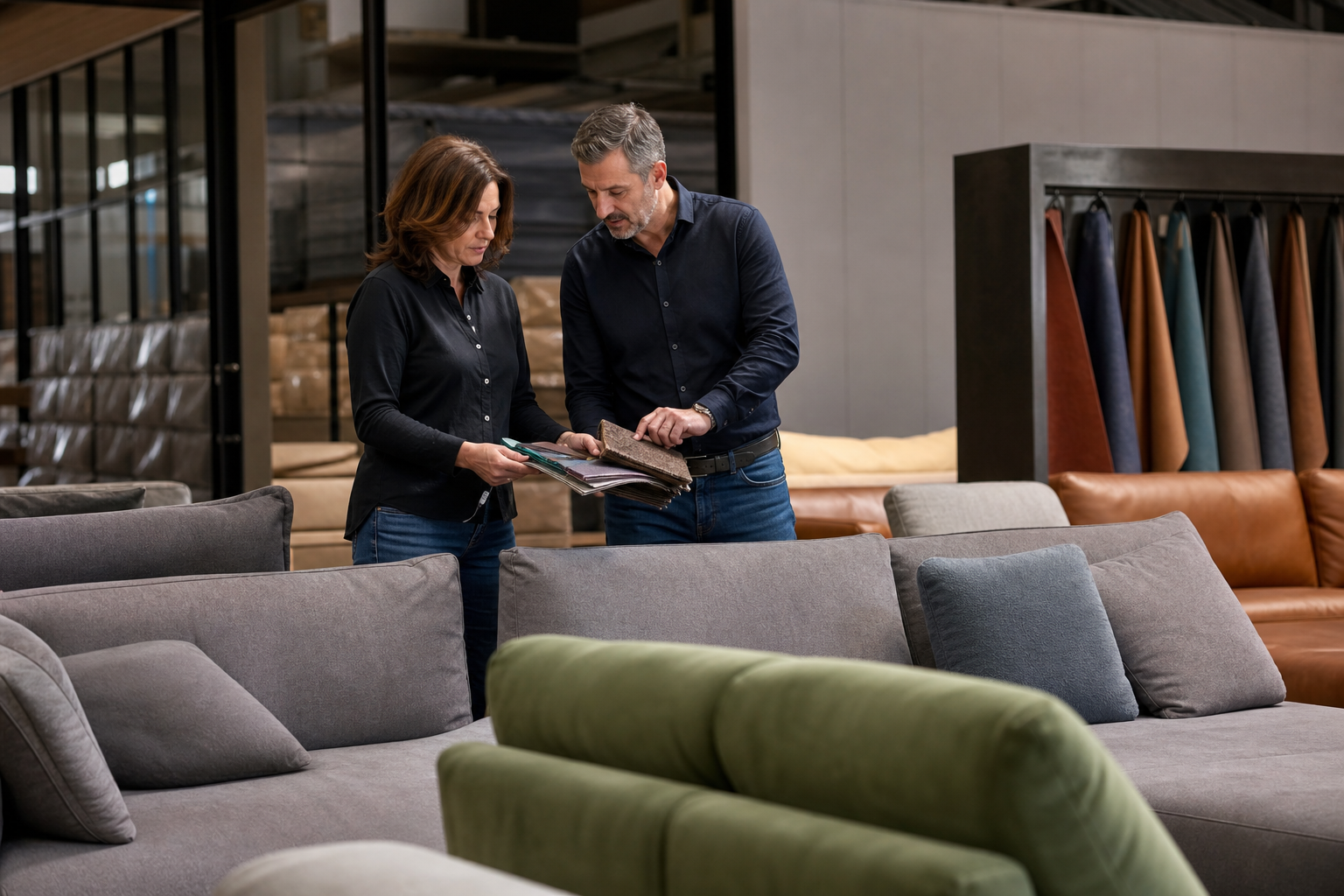
Do you take the risk of buying bulk stock before you test customer demand, or do you wait until content and marketing bring in sales? For independent furniture retailers, that dilemma underlies most inventory headaches: cash tied up in slow-moving pieces, limited floor space, and the attention cost of chasing the wrong assortment.
StarbornHub approaches this problem differently. Rather than a single function that promises faster sell-through, the platform is built as a set of interlocking mechanisms — registration, in-store voting, virtual incentives, flexible factory cooperation, city-level protections, quality controls, and layered reporting — that form a business-grade feedback loop. When you use them together, you get reliable local validation that reduces the chance of mis-buys and lets you scale inventory in steps.
How this loop lowers your inventory risk
- Start with real in-store signals, not noise. StarbornHub requires customer registration to happen in the retail environment. That means the votes and feedback you get are from people who physically visited your showroom — true local demand, not generic clicks. This makes initial signals much more actionable when deciding whether to place larger orders.
- Structure the feedback to separate fashion from materials. The platform splits voting into style and fabric components. That keeps participation easy for customers and gives you two usable data streams: what silhouette or feature resonates, and what material choices work with your market. You can combine popular styles with locally preferred materials rather than treating each new SKU as an all-or-nothing bet.
- Convert engagement into return visits and predictable sales. User incentives are designed to bind customers to the store account: virtual rewards earned through voting can be redeemed in-store. That conversion path turns one-off opinions into repeat interactions and, critically, early purchases that validate whether votes turn into transactions.
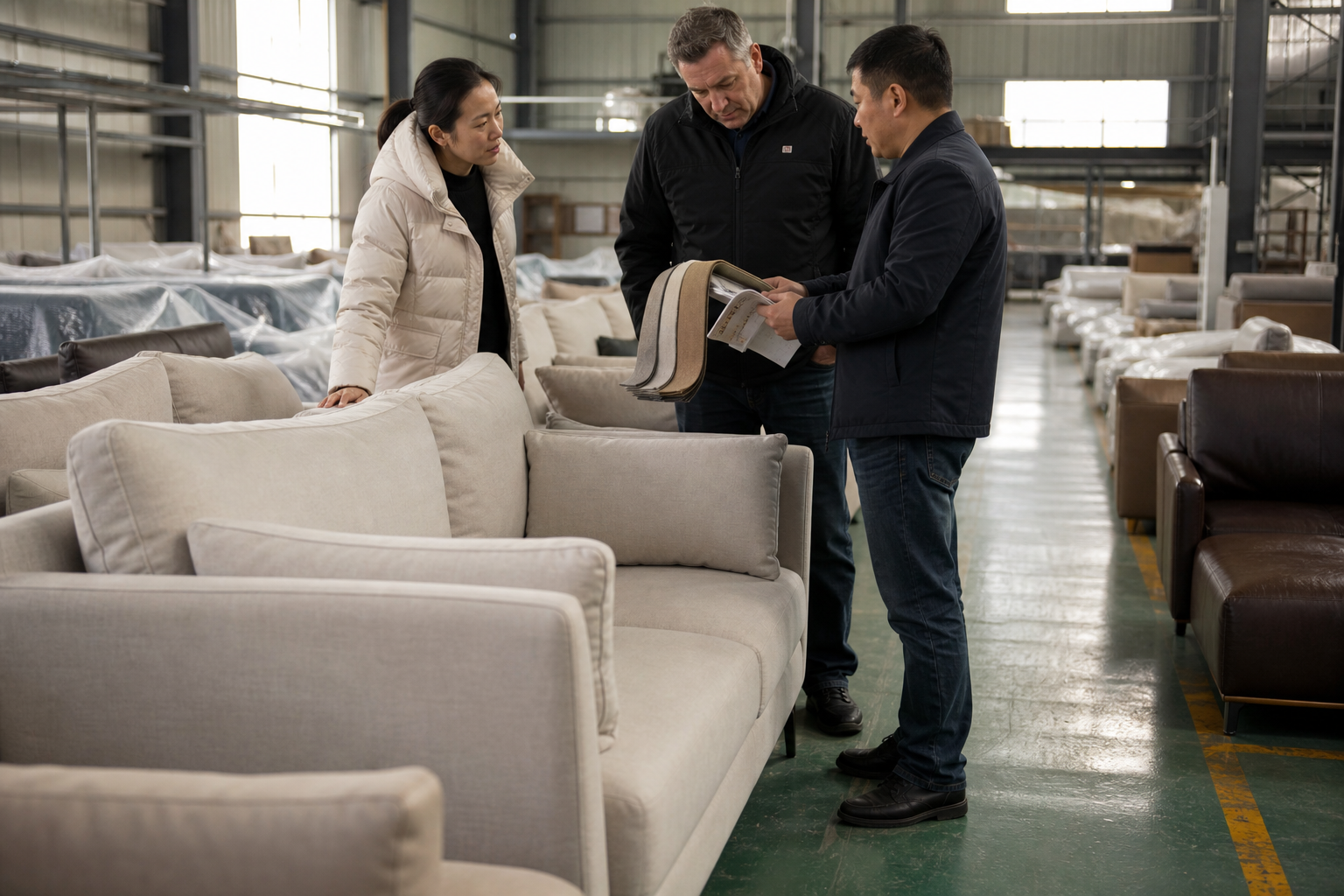
- Use factory-side flexible supply to scale exposure, not risk. StarbornHub’s cooperation with manufacturing partners preserves the option to develop samples and keep candidate designs on a flexible production roster. That lets you expose a new design in small quantities or as a sample set without committing to a full production buy right away. The factory support makes it realistic to go from sample to scaled inventory only after signals strengthen.
What to do in practice
Before any retailer joins a new mechanism, the decision has to pass a practical test: what do I need to do, what could go wrong, what does it cost me, and where does the upside come from? StarbornHub should be judged on that basis. The incentive and reward side is designed to come from Starborn's profit pool, not from an extra commission charged to the retailer, and not from a new retailer cost line. That keeps the retailer's decision focused on whether the process improves product selection, customer return, and buying confidence.
— a retailer’s checklist
1) Capture authentic local demand
Host registration-driven interactions on the shop floor: simple sign-ups tied to a brief voting flow. Prioritize getting contactable profiles from people who actually touch the pieces. These profiles become your long-term testing panel and can be tracked by the platform for repeat behavior.
2) Display samples intelligently
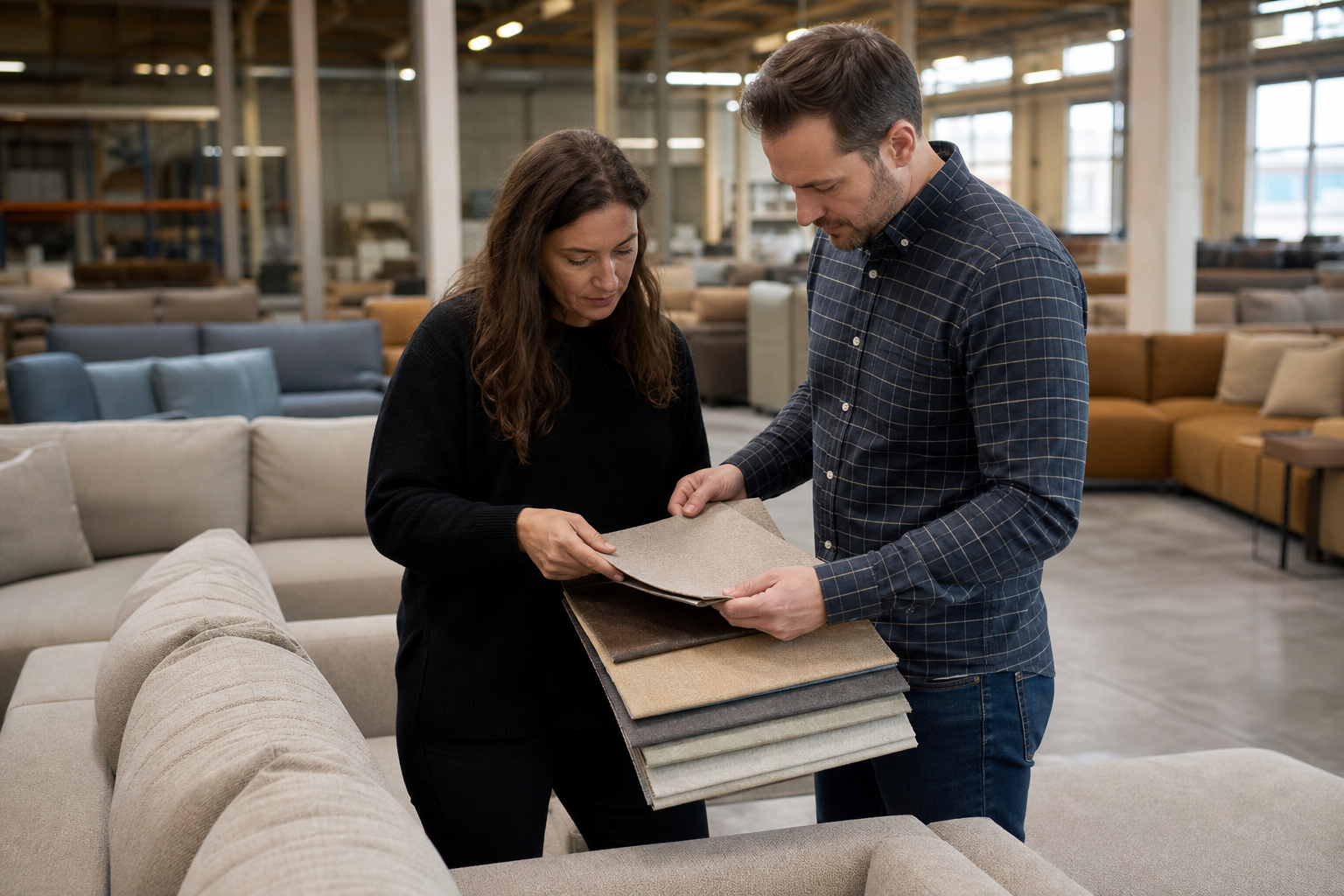
Set up sample clusters that mix shortlisted styles with your most promising local fabrics. Use signage and a short guided script for staff so customers know there are two choices to evaluate: look/shape and material. A small, well-curated sample set gives you rich signals without monopolizing floor space.
3) Treat votes as staged validation, not a final yes-or-no
Look for consistency across three dimensions before you commit to inventory: voting concentration (are many customers preferring the same options?), conversion intent (do voters redeem incentives or leave deposit signals?), and repeat interest (do the same high-quality profiles engage multiple times?). When these line up, the risk of slow-moving stock falls dramatically.
4) Use virtual rewards to close the loop
The platform’s virtual incentive model converts participation into store visits. That gives you immediate opportunities to turn interest into sales, and it ties the reward back into the account system so those customers remain traceable and valuable for follow-up promotions.
5) Lean on city-level protections and retailer collaboration
When you invest in sample displays and local marketing, the platform’s city protection rules reduce the risk of nearby competitors diluting your effort. The model also enables local retailer cooperation — shared container shipments, joint promotion, or sample-sharing — which can lower logistics costs and speed up the rotation of new items.
6) Validate quality and after-sales before scaling
StarbornHub keeps a strong loop between after-sales feedback and factory improvements. Use initial small sales and warranty cases to gather concrete quality inputs that the factory can act on. This reduces the chance that a full production run will repeat early defects that kill sell-through.
7) Use platform reports to time larger buys
When the platform’s aggregated reports show alignment — city-level voting patterns, store-level sample conversions, and consistent repeat buyer behavior — that’s the moment to move from samples to meaningful inventory. The reporting gives you a defensible basis for ordering, backed by local data rather than guesswork.
How this approach changes your buying rhythm
Traditional retailers often oscillate between two extremes: speculative bulk buys based on supplier urgency, or perpetual understock driven by fear. The closed-loop approach creates a third posture: staged commitment. You introduce a product in the market through managed samples and local voting, convert early interest into small purchases via store-redeemable rewards, gather quality and conversion data, and only then scale through factory-flexible production.
Practically, that means smaller initial investments, faster learning cycles, and lower working capital tied to unsold units. You still maintain the option to order larger runs once multiple signals converge, but those runs are now informed by the store’s own customer base and platform-level data — not a gut call.
Why the loop matters for long-term assortment planning
This system does more than reduce immediate inventory risk. Over time, the platform’s account-based data, accumulated voting behavior, and sales feedback become an asset you can use when planning seasons, localizing assortments, and negotiating with factories. High-quality local samples and repeat customers become part of your store’s identity and bargaining power.
The model also aligns incentives across the chain: customers get a voice and a reason to return, retailers get localized validation and protection for their investments, and factories get clearer signals for which SKUs to hold in flexible production. When these pieces work together, the business moves from reacting to noise toward scaling what the market actually wants.
Practical red flags to watch for
- High participation but low redemption: lots of votes with no in-store follow-through suggests surface-level curiosity, not purchase intent. Consider tightening the registration flow or strengthening incentives tied to real visits.
- Fragmented signals across stores in the same city: inconsistent patterns mean either the sample assortments aren’t comparable or local presentation is skewing results. Use the proposal and retailer feedback channels to align sample presentation and reporting.
- Recurring quality issues: if post-sale returns or repairs cluster around a new SKU, pause large orders and escalate the issue through the platform’s quality feedback process so the factory can make targeted adjustments.

A final practical scenario
Imagine you’re considering a new sectional. Instead of placing a big order, you bring in a small number of samples, run a combined style-and-fabric vote with in-store registration, and offer a small in-store credit for voters who return to purchase. After two weeks you get consistent style preference for one silhouette, a clear fabric tilt, and a group of repeat high-quality profiles who come back and purchase. You submit a retailer proposal through the platform, coordinate a small production batch with the factory’s flexible roster, and take advantage of city-level protections to avoid direct local overlap.
If those steps hadn’t happened — if you had bought a large stock before testing — you might have ended up with a slow-moving item that eats cash and floor space. The loop turns that risk into a managed series of steps where the market, not guesswork, dictates scale.
Conclusion
Slowing inventory is never solved by faster discounting alone. The long-term answer is better validation up front and an operating model that turns store traffic into measurable, repeatable signals. StarbornHub’s closed-loop design — in-store registration, split voting, virtual incentives, flexible factory cooperation, city protections, quality feedback, and layered reporting — gives independent retailers a practical playbook to validate products before big orders. Use the loop to stage commitment: expose, test, convert, learn, then scale. That sequence lowers capital risk, preserves floor space for winners, and builds a localized assortment that customers actually want.
More articles in this content module
Module: Validation And Small-Batch Testing
This is the full reading map for the current content block, so you can follow the logic inside this topic before jumping to another issue.
- Why does market pressure lead to the StarbornHub model?
- Why Independent Furniture Retailers Are the Best Validation Leverage
- Should furniture retailers test demand before buying deeper stock?
- What problem is StarbornHub really trying to solve for retailers?
- Why does StarbornHub challenge the traditional furniture supply chain?
- Why should furniture retailers validate demand before a bigger order?
- Local Customer Feedback and Safer Sofa Purchases: Turning Reports into Buying Decisions
- How much confidence should a retailer have before buying stock?
- Small-Batch Supply Reduces Retailer Stock Risk?
- Continuous Product Renewal Matters?
- The Operating Conditions Work Together?
- A Retailer Cannot Build This Mechanism Alone?
- Software Alone Cannot Solve Sofa Buying Risk
- What kind of system helps furniture retailers make safer buying decisions?
- Qualified Customer Registration Supports Buying Decisions?
- Monthly New Product Development Should Work?
- The StarbornHub Mechanisms Form A Loop?
- Inventory and Validation: Where to Draw the Line Before You Buy
- StarbornHub Uses AI Without Letting AI Decide Everything?
- AI Cannot Decide For Furniture Retailers?
- The StarbornHub Growth Flywheel Means?
- Platform Growth Must Serve Retailer Growth?
- Must Be True For The Flywheel To Work?
- StarbornHub Did Not Start From Software
- Factory Growth Depends On Retailer Customer Growth?
- StarbornHub Is Actually Trying To Validate?
- Retailers, Customers, And Factories Must Participate Together?
- StarbornHub Is Trying To Build?
- Kind Of Retailer StarbornHub Is Inviting?
Other content modules you may want to explore
If your concern is not only this one issue, these modules open nearby paths in the StarbornHub theory system.
Another problem retailers often connect to this: A nearby visible problem you may also be dealing with
Does the margin calculation include freight, delivery, damage, markdowns, financing, returns, and slow stock?
First reading in this module: How much margin room does an independent furniture retailer need?
What this could improve if handled better: A possible business gain behind this issue
Supplier Trust And Quality Responsibility
What incentive does the supplier have to protect quality after the first order?
First reading in this module: Quality Consistency Needs A Visible Process?
What it may take, cost, or risk: The practical concern before trying a new path
Is the sales drop caused by fewer visitors, lower conversion, weaker product fit, local market pressure, or broader economic pressure?
First reading in this module: What changed in the furniture retail market?