
Customer Design Input Can Become Useful Signal?
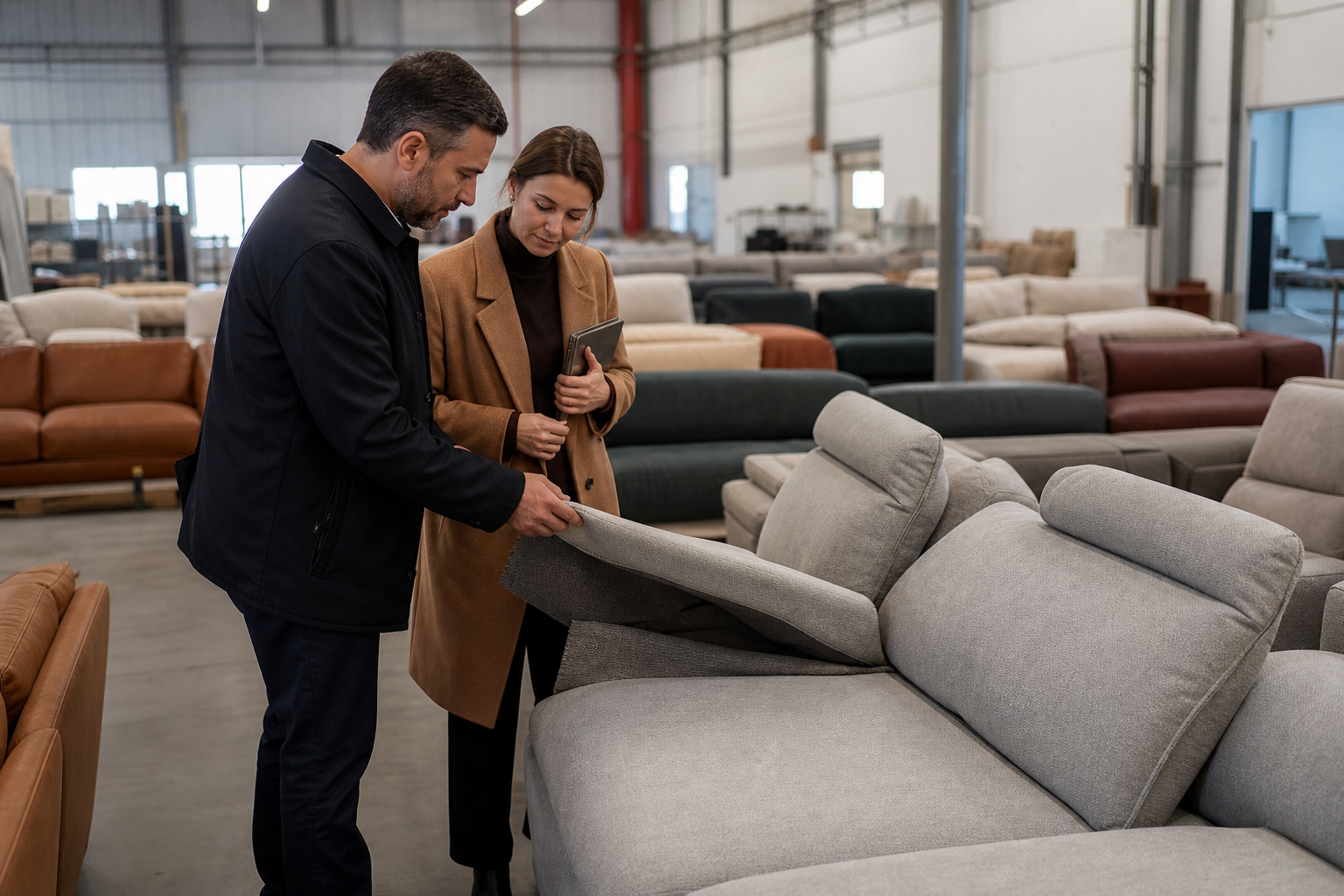
Slow-moving inventory is one of the most persistent headaches for independent furniture retailers: it ties up cash, consumes floor space, and distracts selling attention from the items that actually move.
The best fix isn’t only clearing stock faster — it’s avoiding the wrong large bets in the first place. One practical way to do that is to open the design input space to high-quality customers alongside professional designers, then use market signals to validate what actually belongs on your showroom floor. That same validation process gives online browsers a reason to visit your showroom in person.
Why customer-driven design is more than a marketing stunt
Professional designers bring essential craft and technical rigor. But a single trained perspective can miss the subtle, localized needs your customers actually live with — different cities, homes, and routines call for different details. When you invite trusted, high-participation customers to contribute ideas, you increase the chance of discovering locally resonant products.
This isn’t about replacing designers. It’s about expanding the input funnel. Good practice is to treat user submissions and professional designer concepts on the same footing during market validation: both should compete in the same signal-driven selection pipeline. That keeps creativity diverse while ensuring the ultimate decision is commercial, not honorary.
How this turns online browsers into showroom visitors
The business logic is straightforward. When designs are validated through visible, local processes — sample displays, in-store voting, or city-level shortlists — you create a participation loop. Online browsers who discover a new local concept or a community-submitted piece can be invited to:
- See the physical sample in your showroom;
- Vote or leave feedback in person; and
- Be among the first to pre-order or reserve a local-limited run.
These are tangible reasons for an otherwise passive online session to result in a showroom visit. The more your validation process is local and visible, the stronger the pull.

Practical mechanics you can adopt (without needing to be a platform engineer)
You don’t have to rebuild your business model overnight. Here are practical actions that reflect the StarbornHub approach while keeping operational control with independent retailers:
- Create a local submission channel: Invite engaged regulars to submit sketches, mood boards, or use-case notes. Link submissions to a visible growth path — participation, constructive feedback, and repeat engagement earn submission privileges.
- Run a sample-and-vote phase in-store: Bring shortlisted ideas into the showroom as prototypes or mockups. Use these displays as an event — signage that explains “local idea, on display for community feedback” gives online visitors a reason to come see and decide.
- Treat all concepts equally in validation: Evaluate user submissions and professional concepts against the same market signals — city-level interest, in-store feedback, and retailer buying decisions — so selection stays grounded in demand, not identity.
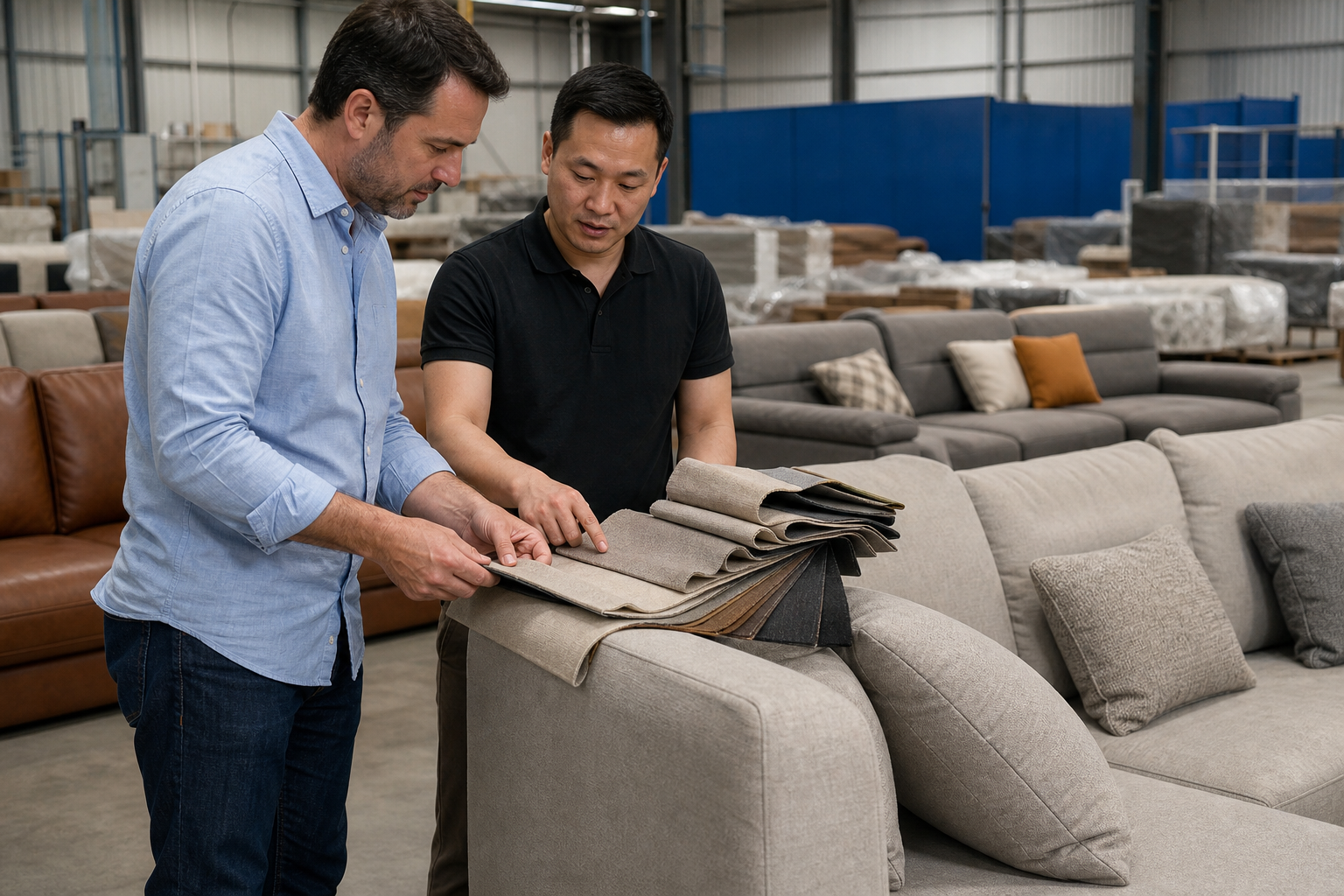
- Leverage flexible sampling with factory partners: Work with platform cooperation mechanism backed by real factory capabilitys that can take validated samples into small-batch production. This reduces inventory risk and allows you to test regional demand before larger runs.
- Keep procurement autonomy: Platforms can aggregate signals and handle sampling logistics, but the retailer retains the final buying decision for what sits on your floor.
These are operational shifts that lower the risk of large, slow-moving inventory and create new touchpoints that pull online browsers into showrooms.
Building trust: quality controls and contributor incentives
Opening design inputs raises two valid concerns: noise (low-quality submissions) and IP/conflict management. StarbornHub’s mechanism addresses this with institutional boundaries that you can mirror in your store processes:
- Linked submission privileges: Make the ability to submit ideas tied to demonstrated, ongoing engagement — frequent voters, helpful feedback givers, and event participants become your trusted contributors. This filters out one-off noise.
- Transparent, fair validation: Ensure contributors understand the selection path: submissions are judged by market signals, not by creator status. That transparency builds credibility for the process and for the pieces you display.
- Respect creator rights and returns: Have clear, simple agreements for contributors so expectations about recognition, rewards, and any financial return are explicit. Platforms handle the finer reward mechanisms; retailers can offer in-store incentives like discounts, early access, or recognition events.
- Professional oversight: Keep designers in the loop for technical refinements. Contributors provide the idea; professionals ensure the piece is producible and meets quality expectations.
These controls preserve product quality while preserving the community energy that makes the process valuable.
What retailers gain beyond foot traffic
Turning customer input into a visible validation pipeline does more than drive one-off visits:
- Better local fit: You get products that reflect real local usage and taste, reducing the chance of long-term underperformance.
- Differentiated showroom: Local or community-backed pieces make your floor unique versus national chains — customers perceive rarity and local relevance.
- Stronger customer assets: Contributors and voters become richer customer assets — they’re more likely to return, recommend, and convert.
- Faster learning loop: Sampling, local feedback, and small-batch production create a cycle where each round of prototypes informs future buys, sharpening assortment choices.
Combine these benefits and you reduce the structural cause of slow-moving inventory: repeated large bets on poorly validated designs.

How to start this in a single store (a simple rollout)
1. Pick a low-risk category for your first experiment — an accessory line, a lamp, or a side table where sample costs are moderate.
2. Invite a shortlist of high-engagement customers to submit ideas and to a showcase event. Promote the event online with clear messaging: “See local designs, vote in-store.”
3. Present prototypes on a dedicated shelf with clear voting/feedback prompts and a visible timeline for when feedback will translate to production consideration.
4. Collect both online and in-store signals; if local interest clears your internal thresholds, value-sharing credit a small run through flexible production channels.
5. Measure outcomes: footfall uplift, conversion, pre-orders, and repeat engagement from contributors. Use this evidence to expand the program.
This progressive approach keeps operational disruption low while giving you data to decide next steps.
Risk controls and institutional boundaries to keep in place
To protect your store and contributors, maintain these rules:
- Submission privileges should be earned, not free-for-all.
- Professional designers’ IP and compensation must be respected.
- The platform or cooperative partner can manage the reward and filtering mechanics, but final procurement decisions remain yours.
- Keep the operational rules (rewards, qualification thresholds, sampling logistics) as non-public institution details so you can adjust without community confusion.
These boundaries reduce abuse risk while preserving the creative upside.
Final operational checklist for retailers
- Identify and invite your top 50–200 engaged customers to a participation program.
- Choose a visible, low-cost sampling category for a pilot.
- Create simple in-store signage and an online landing page that explains the validation timeline.
- Arrange flexible sampling with a factory partner or platform that supports small runs.
- Track conversion metrics and use them to inform your next buying decision.
Each small success reduces the need for speculative bulk buys and builds a repeatable local product discovery channel.
Conclusion
Making customer design input a real commercial signal changes where the work — and the risk — sits. Instead of making large inventory bets on assumptions, you create a local, visible validation loop: trusted customers contribute ideas, prototypes hit the showroom, the community provides measurable feedback, and flexible production turns validated pieces into small runs. That sequence both reduces the inventory drag and gives online browsers a concrete reason to visit your showroom. For independent retailers, the result is a more relevant assortment, stronger customer assets, and a lower-risk path to differentiated local merchandising. Consider a small pilot that ties customer participation to in-store samples and a clear feedback-to-production path; if the data confirms local interest, scale carefully and keep procurement decisions in your hands.
More articles in this content module
Module: Customer Asset And Relationship Capture
This is the full reading map for the current content block, so you can follow the logic inside this topic before jumping to another issue.
- How account-linked benefits bring furniture customers back to the showroom
- Turning Online Browsers into Showroom Customers: Building User Assets that Reduce Slow Inventory
- Turning Browsers into Showroom Customers: Building Account-Based Long-Term Value
- How can a furniture store turn visitors into a customer asset?
- Customer Assets Create Future Store Traffic?
- Sales Content Supports Retailer Differentiation?
- Customer Participation Can Grow Over Time (and Turn Browsers Into Showroom Visitors)
- Customer Design Input Can Become Useful Signal?
- Product Knowledge Supports Retailer Selling (and Brings Browsers Into Your Showroom)
- What Data StarbornHub Accumulates — and How Retailers Turn Signals into Showroom Traffic
- Records Become Market Intelligence?
- Data Assets Help Independent Retailers Turn Browsers into Showroom Visitors
- Ordinary Customers May Start Expressing Design Preferences?
- From Browsers to Showroom Visits: Let Customer Scenes and AI Drive Better Sofa Choices
- Turn Real Customer Home Scenarios into a Retail Advantage
- The Customer Asset Flywheel: Turning Browsers into Long‑Term Showroom Visitors
- Data Becomes a Retailer Decision Flywheel
Other content modules you may want to explore
If your concern is not only this one issue, these modules open nearby paths in the StarbornHub theory system.
Another problem retailers often connect to this: A nearby visible problem you may also be dealing with
Does the margin calculation include freight, delivery, damage, markdowns, financing, returns, and slow stock?
First reading in this module: How much margin room does an independent furniture retailer need?
What this could improve if handled better: A possible business gain behind this issue
Supplier Trust And Quality Responsibility
What incentive does the supplier have to protect quality after the first order?
First reading in this module: Quality Consistency Needs A Visible Process?
What it may take, cost, or risk: The practical concern before trying a new path
Is the sales drop caused by fewer visitors, lower conversion, weaker product fit, local market pressure, or broader economic pressure?
First reading in this module: What changed in the furniture retail market?