
Why are fewer people visiting independent furniture stores?
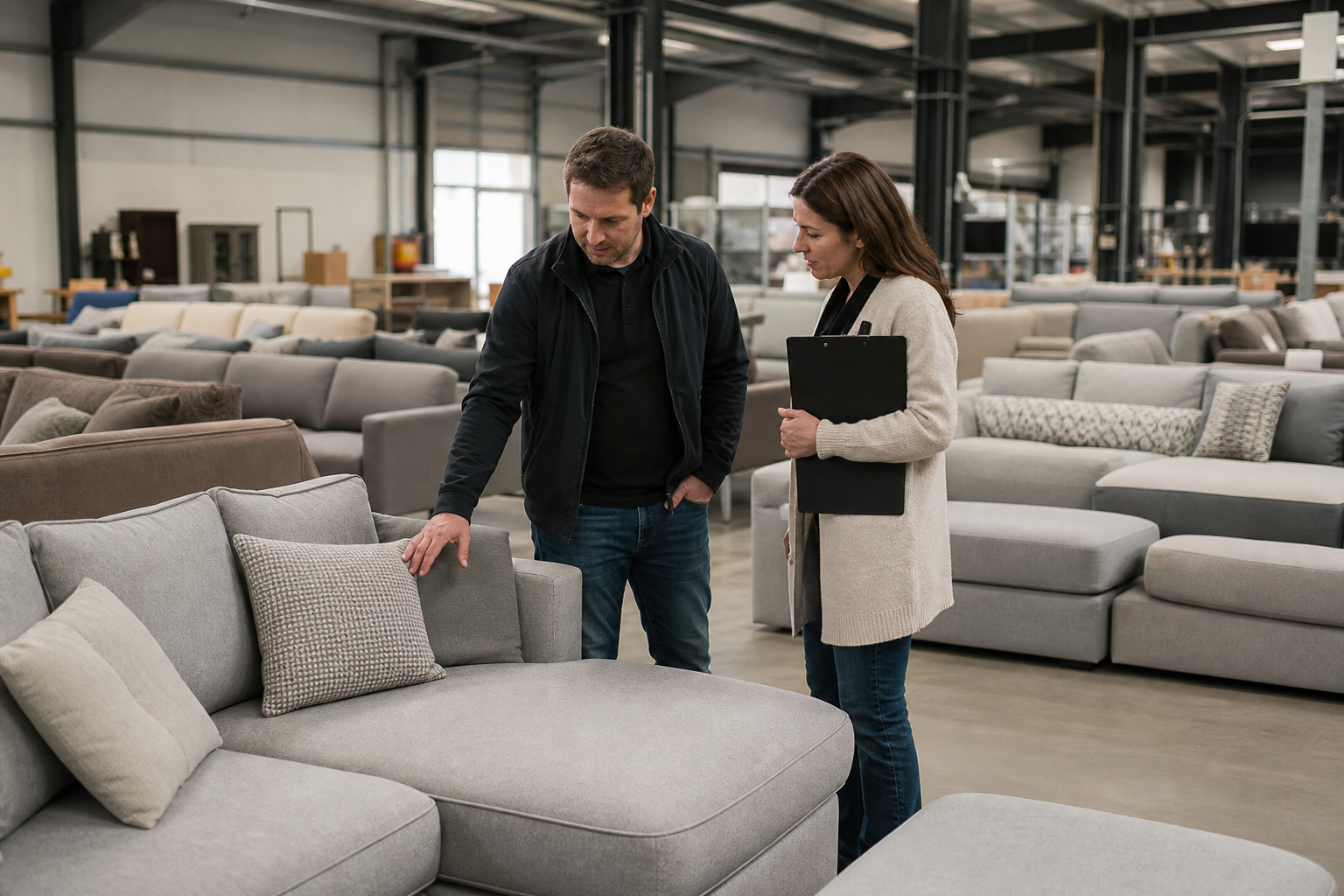
If you run an independent furniture store, this question is practical: there is no customer in the market
The visible problem is lower foot traffic and fewer buying conversations.
This article starts with that surface problem first. Then it uses the StarbornHub theory system to look at the deeper business structure behind it.
Immediate Diagnosis
Lower traffic may be a market issue, but it may also reveal weaker local relevance, weaker offer clarity, or products that do not create enough reason to visit.
This does not mean the retailer has done something wrong. It means the visible problem is giving the store a signal. The question is how to read that signal before it becomes a bigger stock, cash, or customer-trust problem.
Operating Lens
Separate traffic volume from traffic value: what signal does each visitor or online browser leave behind?
Immediate Action
Check local housing activity, recent promotions, competitor activity, online content, showroom conversion, and whether current sofa styles give customers a clear reason to visit.
Root Cause
Traffic pressure becomes more painful when every visit disappears after the customer leaves without becoming a reusable signal.
Theory Path
Theory title: What Is The Operating Formula For Independent Furniture Retailers?
This article is part of a business logic series for independent furniture retailers. It explains one question: What Is The Operating Formula For Independent Furniture Retailers. The purpose is not to promote one sofa model. The purpose is to make the business logic clear, step by step.
Before talking about any new system, we need to understand how an independent furniture store actually creates results.
This is a logic article, not a product advertisement. The surface problem is the entry point. The theory system is the diagnostic path behind it.
2.2 The Business Formula For Independent Furniture Retailers
This section sets the background for the business formula for independent furniture retailers. A store's result is shaped by traffic, conversion, average order value, margin, and stock movement together. If one part weakens, the whole business feels the pressure. So the practical question becomes: how should an independent retailer think about the business formula for independent furniture retailers before committing money and floor space?

- More traffic helps only if conversion and margin still work.
- Higher margin helps only if stock turns at a healthy speed.
- A sofa buying decision affects several parts of the store formula at once.
Prevention Mechanism
Turn store visits, online browsing, and customer questions into an owned customer-signal asset instead of treating them as one-time chances.
Where This Logic Leads Next
At this stage of the theory, the important thing is not to introduce the full solution too early. The important thing is to understand the pressure facing independent furniture retailers: changing demand, harder product choices, slow stock risk, and the need for clearer signals before deeper buying commitments. Only after this problem is clear does it make sense to discuss what kind of cooperation system might help.

This keeps the logic in the right order. First define the problem clearly. Then discuss what kind of system could respond to it.
What An Independent Retailer Should Take Away
The main takeaway is not to buy more, or to buy less. The main takeaway is to make the buying decision clearer before the store carries too much risk.
Independent retailers need a better way to connect store experience, customer response, product choice, supplier responsibility, and long-term growth.

Conclusion
StarbornHub connects traffic pressure to customer-signal building, so the retailer can learn more from the traffic it already has.
If this logic feels close to the problems your store is facing, the next chapter continues the same line of thinking.
More articles in this content module
Module: Traffic And Conversion Diagnosis
This is the full reading map for the current content block, so you can follow the logic inside this topic before jumping to another issue.
Other content modules you may want to explore
If your concern is not only this one issue, these modules open nearby paths in the StarbornHub theory system.
What this could improve if handled better: A positive business outcome or advantage the retailer may want.
Customer Asset And Relationship Capture
Are website visits, blog clicks, customer questions, and reviews being captured as usable signals?
First reading in this module: How do I turn online browsers into showroom visitors?
What it may take, cost, or risk: A decision concern about work, cost, risk, staff burden, or what the retailer might lose.
When does useful customer feedback arrive relative to the buying decision?
First reading in this module: Why do furniture retailers learn what customers want too late?
Why this path may be worth testing: A trust-building or low-commitment validation question.
Validation And Small-Batch Testing
What should be validated before a larger stock commitment?
First reading in this module: Should furniture retailers buy stock before testing customer demand?